Showing posts with label neighbors. Show all posts

1.10.2025

An open letter to the victims of Californian fires

In November 2017, my wife and I bought a farm. Nearly seven acres in the rural scrub between Spokane and the Idaho border. We quickly found ourselves to be a blue dot in a red corner of a blue state. But it was home, and it was good. We did everything we could to make it our own little slice of paradise.

A year later, the first flames sparked on Boeing property near the Simi Valley. It quickly erupted into the Woosley Fire, ravaging the city of Malibu and surrounding hills. It completely destroyed over 1600 homes and killed three people. Unfortunately, it wasn’t the only blaze terrifying Californians that month. Two other wildfires began the same day: Hill Fire 15 miles to the west of Woosley and the Camp Fire near Chico. The Northern Cali fire was deadlier, ending 85 lives. It destroyed 18,000 structures and displaced 50,000 people.

Our tale of homesteading bliss and collected Californian disasters might appear both emotionally and geographically unrelated. However, these contrasting events are not completely divergent.

Come January 2019, home sales in our area increased. Over the next few months, real estate prices in the Spokane area continued the upward trend. Before long, complaints arose from locals priced out of buying a home. Annie and I considered ourselves lucky to purchase when we did - a year before the spike. We were still confused though. Sale prices exceeded actual property value. It defied logic which unsettled my analytical autistic brain.

At a holiday party late that year, a family member (who happened to be a realtor) provided an explanation. Californians who lost their homes in the wildfires were bringing their insurance settlements northward. They flooded the inland northwest with enough money to make cash purchases, often offering tens of thousands of dollars more than the seller’s asking price. If there was a bidding war, the Cali expats were going to win. Some of them could buy two houses in Spokane with the amount of money they got from insurance.

It made sense. Relocate to a state with similar cultures, geographically close, with climates less wet than Portland or Seattle. Process of elimination made Spokane an ideal destination for their new hometown.

It took a full two years for the skyrocketing market to hit the top and another two for actual values to catch up with listing prices. During the pandemic, a national article was released by a major media outlet detailing the ten most over inflated real estate markets in America and the Spokane area was plopped right in the middle of the listicle.

The collective disasters of the Camp, Hill, and Woosley fires were unfathomable tragedies for the state of California but they were not isolated events. The fallout caused financial burdens upon uninvolved populations in regions outside their state.

Now, a little more than six years later, history is beginning to repeat itself as multiple fires rage around Los Angeles, including the Sunset fire in the Hollywood Hills. Much like Hollywood blockbusters, the sequel is worse than the original. There are five separate fires ablaze in the area with at least 180 thousand residents under evacuation orders and 1.5 million people without power. Two of these wildfires are already the most destructive in LA’s history and they’re not yet contained. Five deaths have officially been reported with thousands of structures destroyed, a number sure to grow before this horrible saga is over.
Image courtesy of KTLA

I don’t want to make light of the harrowing ordeal consuming the greater Los Angeles region. The heartbreak, loss, and fear are all valid as these Americans are living through an apocalyptic nightmare. I know because Spokane experiences a wildfire season every year. Even if the flames are not dancing on our doorsteps, winds bring the smoke into our neighborhoods, slowly choking out the outdoor activities and entertainment which make the unbearableness of the inland PNW more bearable.

The devastation also hits close on a personal level. Several family members on my wife’s side live in Medical Lake - the site of 2023’s Gray Fire. We are intimately aware of the fear and pain of a wildfire’s invasive touch.

If history truly is repeating, the people of Spokane should prepare to meet some new neighbors. A lot of new neighbors. I hope not though. Not because of an anti-Californian bias which is common around here. Not because we’re already struggling with the logistics of population growth even though we are. I hope for something different this go around because our nation is in crisis. Californians might not be the heroes we deserve but they could be the heroes we need.

We can laugh as a way to cope with tragedy but there is nothing funny about the massive and destructive force of nature in its cruelest moments. In lieu of jokes, I offer a proposal.

Take that fire insurance settlement and move to a red state. Hear me out.

States like Oklahoma, West Virginia, Indiana, Arkansas, Louisiana, and Kentucky are among the cheapest places to buy a house in America and they’re all red states. They also have some of the worst education systems compared to other states. They are most in need of improvement. A little insurance money can go a long ways in states like these.

Move there. Property is cheap. Buy a home and work remotely. Buy two or three homes and turn them into rental properties for ongoing income. As soon as you’ve met residency requirements, run for political office: school board, library board, city council, county commission. Or be entrepreneurial; start a small biz and join the town’s business association or Kiwanis club. Become a foster parent or sponsor a refugee family. Volunteer with a local chapter of PFLAG, Color of Change, or Citizenship Coalition. Donate to homeless shelters and organizations that help women escape domestic violence.

Whatever it is, where ever you go, use your money, time, and votes to make that place a little better. Transform your new hometown into a safer place for immigrants, people of color, and the LGBTQ community. Build grassroots foundations to create something even bigger and better, something blue wavyish. And maybe, just maybe, people like you are the ones who save us all from MAGA. Perhaps you would be the ones to actually make America great again.

I’m happy to share Spokane with you but you should spread the love a little. If all else fails, Spokane will still be here. Please though … try a red state first.

3.14.2024

The Disconnect and Ties that Bind Part One

In the earliest records of human history, people formed in tribalistic cultures. Families, tribes, sects, and clans. Every ancient society on every continent has documented their beginnings in small groups warring over limited resources of food, water, clothing, and shelter. Whether nomadic or settled, humans coalesced into factions based on shared values and lineage.

For thousands of years, humanity flourished in tribalism. This gave us the epic tales of folklore. In them we find the gods and legends of Egypt and Greece; tales of heroes and dragons; adventures, explorers, Vikings, and warriors. The earth experienced plagues and cataclysms, but its inhabitants endured because their tribes were united with common purpose.

Neighboring populations didn’t always get along so the survival of our clans depended on the biggest, the bravest, and the strongest among us to lead, guide, and protect us from those who wish to do us harm. We looked to the smartest and most beautiful to continue our bloodlines. We created popularity contests out of necessity because their success meant we could live and hopefully thrive.

From the indigenous populations of Australia and America, to the biblical Israelites, to the Chinese dynasties, to the feudalism of Western Europe, we found our identities, our health, and safety in the numbers and proximity of our people. Over time, these sects grew. They became villages and hamlets, then cities and nations. Divisions and culture formed around heritage, religion, geography, language, mythology, tragedies, kings, and lords.

Then something funny happened. The Industrial Revolution made life easier. Citizens of industrialized countries migrated from agrarian lifestyles to urban developments. As culture modernized, we lost the need for strength and courage to survive. We no longer needed the muscles and calluses of manual labor to tend to our own crops. The talent and focus needed to stitch fabrics together became a hobby instead of a mandatory skill. We could get the food and clothing we needed from markets and mercantiles.

Who needs to build their own hoses when specialized laborers could do it for you? Who needs giants to protect us when the government has armies? Who needs a bodyguard when you can buy your own weapons? Why protect your outskirts with roving bands armed with spears and swords when walls and secure border crossings will work more efficiently?

The neighboring towns were no longer rival clans, they were fellow countrymen. Our enemies were further away. The ever-present dangers and perils of pre-industrialization was a thing of the past. We were new people with modern needs and worries.

However, our tribalism was still hardwired into the human brain. Our communities might not need to bond they way we once did to survive, yet the human spirit still craves the bonds of community. Without the impetus for a tribe that lives together and fights together, we created new tribes with different purposes. The popularity contests continued in different domains.

Middle school cliques, political parties, college alumni, fraternal organizations, religious denominations, athletic franchises, MMORGPs, artist co-ops, book clubs, chosen families, and countless other ways we can find a way to say “these are my people, this is my tribe.” Our clans are bigger than they used to be. We can find kinship with strangers thousands of miles away. We can bond with individuals we may never meet in ways completed foreign to our ancestors.
Image courtesy of Lukas Zischke

Even though we no longer need the smartest and strongest to lead us, we still seek them out - even if we don’t know them personally. We find our leaders in hero worship, celebrity gossip, reality TV, social media influencers, and ballot boxes.

Modern civilization is completely disconnected from how we functioned for millennia. At the same time, we are bound to the ways historical cultures shaped our brains. Try as hard as we might to escape our past, the past is never truly dead.

Because my brain thinks through a filter of movie quotes and song lyrics, it is music which helped me comprehend our anthropology. My Culture by 1 Giant Leap featuring Maxi Jazz and Robbie Williams specifically speaks of this connection between our heritage, our biology, and the functions of modernity.

“I am the sum total of my ancestors, I carry their DNA. We are representatives of a long line of people and we cart them around everywhere: this long line of people that goes back to the beginning of time. And when we meet - they meet other lines of people. And we say: bring together the lines of me.”


I will remember.

9.03.2020

The Theory of American Everything Part 4: A Personal Lesson

Here is my theory of American everything: we are a nation birthed in rebellion and given the freedom to do, say, and believe anything we want. It’s what makes us the best country in the world, and it makes us the worst ever. 

Why does this matter? Because I share a trait with the common conspiracy theorist: I want my world to make sense. 

In times of unsettling changes, through momentous events or devastating tragedies, in the wake of upheaval, some individuals experience feelings of uncertainty and anxiety. The bigger world seems senseless leading people to feel disconnected and powerless. Then they hear about a grand conspiracy. For reasonable people, the tale is nothing more than a ridiculous or outlandish fantasy with no plausible basis in reality. Yet it is different for the theorist; they cling to it as it makes them feel special. They’re armed with the satisfaction of being one of the select few who have access to a secret truth. Any evidence to disprove their theory is interpreted as proof of the conspiracy. Anyone who doesn’t believe is either a part of the conspiracy or just needs to do their own research. They feel superior because they know something you don't know. The sensation is intoxicating.  

A never before felt sense of belonging leads some people believe the Freemasons are secretly controlling the course of historical events, or think celebrities are members of the Illuminati after rapidly rising from obscurity to superstar popularity. People feel powerful for the first time in their lives believing the moon landing was a hoax or alien aircraft has been hidden in a hangar inside Area 51. 

When events happens with an intensity, magnitude, or suddenness to alter the course of a culture, people look for answers. When a popular president was assassinated during a public parade, theorists rejected the official conclusion of a lone gunman and concocted complex conspiracies of a second or third shooter. When terrorists flew planes into buildings, theorists couldn’t believe a fire was hot enough to weaken the World Trade Center into catastrophic structural failure, so they invented ideas of planted explosive charges and called it an inside job. After every school shooting, theorists ignore the eye witness accounts and live video, declare it a false flag operation, and believe the victims were paid crisis actors. Their theories are absurd and easily debunked, yet it gives them what they want - to make sense of senseless tragedy. They want an explanation for the unexplainable. They want order for the disordered. 

I want the same thing. I want my world to make sense. However, this current era of history is completely illogical. I don’t understand how the nation who collaborated to build the first transcontinental railroad is the same nation who dreamed up pizzagate. I don’t understand how the American mindset which inspired great speeches like the Gettysburg Address also motivated tweets like covfefe. I don’t understand how the voters who claim celebrities shouldn’t share their political opinions elected a celebrity to be president. I don’t understand anyone who can’t see the racism behind statements like “I hit them with neo-Nazi. I hit them with everything. I got the white supremacists, the neo-Nazi. I got them all in there. Let's see. KKK, we have KKK. I got them all." I don’t understand why police officers continue to act like executioners with impunity over and over again. I don’t understand why people are so offended by the phrase “black lives matter.” And I refuse to accept any of this as normal. 

I need clarity because I’m a moderate voter living in the middle of Trump country and need to learn how to show my neighbors grace when they view people like me with disdain. Because I have four inquisitive kids who ask a lot of questions and I need to answer them when they want to know why people act with so much greed and hatred. Because I have a two day old baby and I am filled with grief over the America she has been born into. Because the violence and division in this country is antithetical to the life, liberty, and pursuit of happiness our founders conceived. Because I want to answer those questions which have no easy answers. 

Someday, history books will have to explain the Trump era. 2020 will be discussed in classrooms across America and students of the future will debate the effectiveness of our actions. When they ask why we did what we did, I hope their teachers explain it was because we were birthed in rebellion and given the freedom to believe the most ridiculous ideas imaginable. We were, as Lady Gaga would say, born this way.

4.11.2020

What Does Love Require

Tomorrow might be the weirdest Easter I’ve ever experienced. The holiday arrives in the midst of unprecedented times clouded by new vocabulary introduced to our daily vernacular. Correct me if I’m wrong, when throngs of people filled the streets of ancient Jerusalem shouting “Crucify him,” they were not practicing social distancing. For hundreds of years, Easter has been a tradition of crowds: churches filled to capacity, egg hunts, and extended family gatherings. It’s the busiest season for florists, confectioners, clergy, and restaurant staff.

Big dreams of grand celebrations, homes filled with cousins you haven’t seen since Christmas, and car dealerships awarding prizes to the kids who found the special eggs have come grinding to an awkward unfortunate halt. Eateries are closed. Churches are streaming services online. Flower shops and used car lots have been deemed non-essential. We’re experiencing a toilet paper shortage. In much of America, gatherings of more than ten people have been prohibited. There will be no holiday travel, no midnight mass in Catholic parishes, no packs of children running through fields collecting candy-filled plastic eggs, nowhere to show off those fancy spring dresses. If you’re like me, there’s a good chance the governor in your state has ordered you to stay home, allowing travel for only necessary goods like buying groceries or seeking medical treatment.

Easter isn’t normal this year. If we’re irresponsible, we could let it discourage us and I fear we would miss the point of Easter. Instead we should embrace the weirdness. After all, that’s what Jesus did.

If we take the Easter story seriously, every moment leading up to the crucifixion is a little weird. Normal people would not willingly share a meal with a known traitor. Normal people would allow their friends to defend them against false accusations. Normal people would protest being arrested on bogus charges. Normal people wouldn’t take a beating without fighting back. Normal people wouldn’t immediately forgive those who treat them with malice, contempt, and violence. Given extraordinary circumstances Jesus refused to act like a normal person. In crisis, Jesus intentionally acted abnormal. If Christians are to take the teachings of Christ seriously, we should face difficult times with the same quirky and unexpected resolve as our savior. It’s time for the followers of Jesus to get creative.

How do we do that? Jesus called it the greatest commandment: love God with all of our heart, soul, and mind and love our neighbors as we love ourselves. In these trying times of quarantines, school closures, and unemployment lines, the question every Christian should be asking of themselves is this: what does love require of me? This is the question Jesus answered when he shared his final meal with his disciples, knowing Judas would betray him. This is the question Jesus answered when he told Peter to put away his sword then submitted himself to the soldiers who came to arrest him. This is the question Jesus answered when his clothing was stripped, while he was spit on and mocked, as he was flogged and forced to carry his cross to the site of his execution. This is the question Jesus answered while hanging as he looked at the angry crowd of people and said “Father, forgive them, for they do not know what they are doing.”

What did love require of Jesus? He told his disciples that the greatest love is the willingness to lay down your life for your friends. This is the heart of the Easter story, Jesus sacrificing his life for those he loves. His friends, his neighbors, even his enemies.

Often, the call of love contradicts the American values of life, liberty, and the pursuit of happiness. Sometimes, love requires us to act in opposition to normality. It would be normal to complain of our loss of freedom, whine about restricted liberties, and bemoan the closure of casual amenities like movie theaters and barber shops. Love isn’t normal though.

When confronted with stay-at-home orders, what does love ask us to do? There is more than one way of laying down our lives for our friends.

The challenge of this pandemic is the uncertainty of the disease. It’s possible for someone to have the virus, yet remain asymptomatic. Anyone could be carrying it, without any sign of illness, infecting those who come within close contact. Anyone could unknowingly contaminate shared surfaces and pass along a disease they never knew they had, causing sickness in those they love the most. Real love, the sacrificial kind, recognizes this invisible risk looming over our society.

So what does love ask of me? How do I lay down my life for my friends in an age of social distancing? How do I love my neighbor like myself under shelter-in-place orders? How do I love my enemy while maintaining self-isolation? I stay home. The independent and rebellious nature of the American dream wants to go out into public and exercise my first amendment rights of free religion and assembly, yet love is weird. Love asks me to act counter to my social tendencies. The most loving thing any of us can do is stay home. Broken economies can be rebuilt, lost jobs replaced, but we cannot rebuild or replace lives lost to the coronavirus. In a pandemic, greater love has no one than this: to lay down one's social life for one's friends.

For the first time in forty years, I will not be celebrating Easter inside a church building. Even if churches were open I would stay home. There is nothing loving about wanting to pack buildings for Easter services in times like these. We must realize that staying home doesn’t change the Easter story. My faith in Jesus doesn’t depend on my ability to meet with other Christians in a physical building. Easter is still Easter even with empty pews in vacant sanctuaries.

If I am potentially an asymptomatic carrier, then loving my neighbor means I do all I can to protect them. If love is giving up my creature comforts and sociable desires for the good of my community, then I will do so without objection. Jesus gave up his life to demonstrate how to love others, we should follow his example.

Still, staying home does not seem like it is enough, too simplistic a solution. Love asks us to do more than abiding in self isolation. In quarantine, normal would be streaming a sermon online or listening to a podcast to replace a live and in-person church service. Because love is weird, love asks us to look beyond our current circumstances. The best example of this unconventional sacrificial love I’ve seen came from author and pastor Brian Zahnd.

image courtesy of Brian Zahnd

Every Christian should seize this idea. We will demonstrate love by staying home tomorrow and honoring the holiday in solitude. Then we will celebrate love in communion and fellowship when the pandemic is over – a second Easter with holy parties in every church building. Easter is a single day, but the spirit of Easter should be observed all year round. We might not be able to spend Easter together tomorrow, but we will soon. We just have to flatten the curve first.

3.28.2020

Antisocial Socialites and Lonely Loners

We have been taught there are two types of people in a variety of divergent options. One of the most common dualities is type A versus type B. Type A people are the outgoing folks, the talkers. Loud and sometimes obnoxious, friendly even if a little bossy, always the center of attention. Type B dudes are more bashful. They are shy and quiet, studious, laid back, and avoid the spotlight.

The A/B theory is an oversimplification of anthropology. As we have discovered more about human behavior, we have identified more than two types of personalities. We have learned how our character traits are fluid, giving us the ability to demonstrate different personas in different situations. We humans tend to change as we mature and as we gain education and life experiences. The scale between introversion and extroversion is a spectrum and many people do not fit at either end, instead the term ambivert would be a better label to describe them.

However, for the sake of simplicity, I am dividing humankind into the two basic and most widely understood forms: extroverts and introverts. One draws energy from crowds and being social while the other feels better and finds comfort in solitude. I narrow down the abundant variety of our existence into these two descriptions because I have observed two general reactions with the directives to stay home in response to the pandemic stressing people all around the world.

image courtesy of NPR

My most extroverted friends are the people who are most vocal about society’s need to self isolate and flatten the curve. They are knowledgeable on what the various international, federal, state, and local government officials are doing to minimize the impact of the coronavirus. They are checking updates from the CDC and watching daily briefings. They trust the science behind medical professionals’ recommendations and elected officials’ mandates. They are urging everyone to stay home, pleading with their friends and families to avoid going out in public. They thrive in social situations yet they are the biggest advocates for social distancing. It is as if they are saying, “I love you but keep away from me.”

The extroverts are the cheerleaders chanting, “Wash your hands, don’t touch your face, stay at home, isolate!”

My introverted friends are a more curious case. Common logic would assume they are perfectly suited for self isolation. All of the shelter in place orders should be easy for them because the government is only asking them to do what they are already inclined to do: be alone. Perhaps the first couple days of quarantine were utopic, but the allure faded. After a lifetime finding comfort in seclusion, they are struggling now when solitude is their only option. It is easier to be alone when you have the ability to go places and do things with other people. When that privilege is removed, the world crashes down, even for the most intentional loner.

The introverts are the crooners singing along with that Joni Mitchell song, “Don’t it always seem to go that you don’t know what you got ‘til it’s gone.”

It is a weird world we live in and the various quarantines, curfews, and shelter in place orders have only made it weirder. Up is down, down is out, and out is in. My socialite friends are growing antisocial, while the typical loners are feeling lonely. Everyone is trying to cope while the normal rules of society no longer apply and the results are contrary to logical expectations.

These distressed introverts are demonstrating a fact I have known for a long time yet have not seen proven in such a tangible method. The truth: we need each other. Humans are fundamentally social creatures. We are tribalistic and function best in the confines of a group. Whether we are talking about the immediate family unit, our neighborhoods and communities, large nations, or the global body of the human race, we are all in this together. Even while social distancing, no one is an island. I need you and you need me as long as we are both following CDC and WHO recommendations. If we are to make it through the COVID-19 pandemic with our sanity intact, we will do it together.

So stay home for me and I will stay home for you. Listen to the extroverts screaming at you to wash your hands and quit hoarding toilet paper. We have the blessing of technology allowing us to communicate with people from remote locations, use that gift to be sociable safely. We do not have to be in the same room to enjoy each other’s company. While you are at it, check on your introverted friends. There are a lot of lonely loners out there who would appreciate some human interaction.

6.23.2019

Tidbits

In my life, I’ve been told I have a few famous look-alikes. In no particular order, I have been compared to Billy Corgan, an older Mark Hamill, Drew Carey, and the Pillsbury Doughboy.


This week, a coworker discovered another celebrity twin for me. Unfortunately, she couldn’t remember his name.

“I saw your doppelgänger this weekend.” She told me. “He was on TV and I thought, wow, he looks just like Nic Casey, but without a mowhawk.”

Note, I don’t have a mowhawk. It’s a fauxhawk. Semantics.

She confirmed it was an actor on TV, but not any of those I listed above. She couldn’t recall what show he was in, just that he looked like me if I had a normal haircut. So I’m clueless. If you know who it might be, let me know.


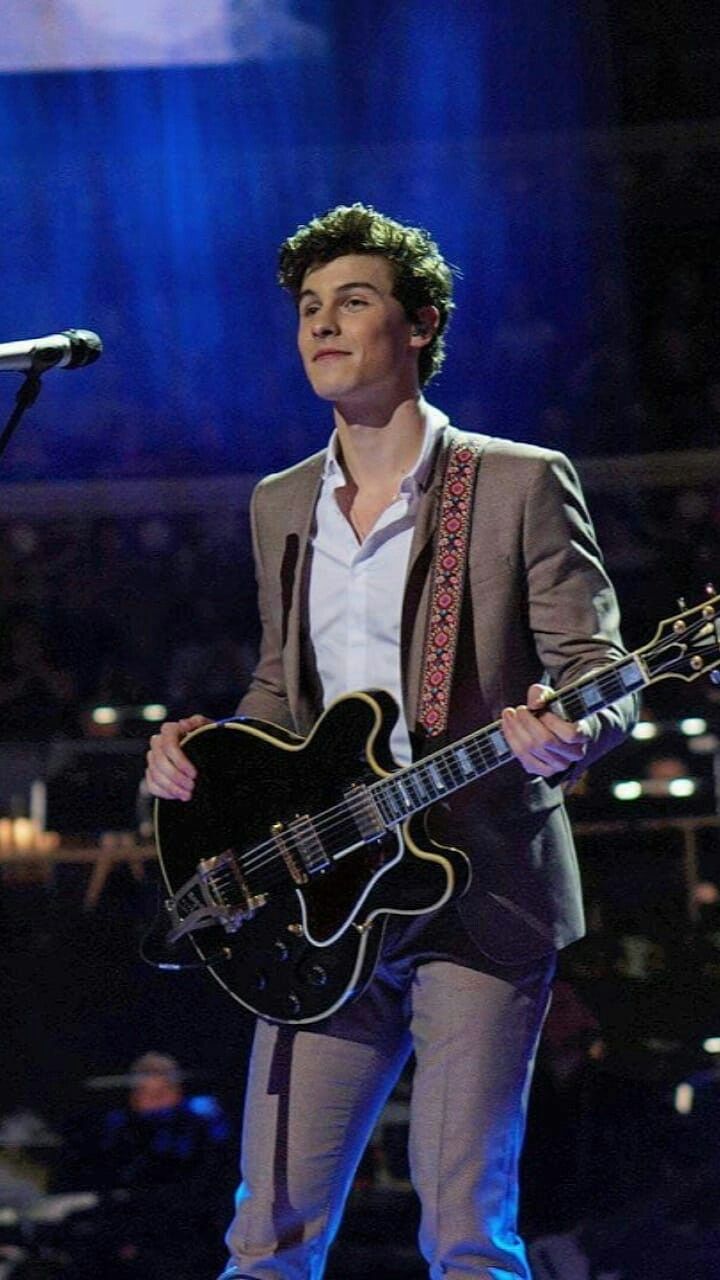
“Dad,” it was Chloe. She had a question. “You know the Shawn Mendes song If I Can’t Have You?”
“Yeah.”
“The line, where he says he can’t drink without thinking about you, how does he know drinking alcohol makes him think of someone if he’s not old enough to drink?”
“Um, because he’s old enough.”
“No he’s not, he’s 20.”
I did a quick Google search to verify Mendes is indeed 20 years old.
“How do you know Shawn Mendez’s age.”
“Because I know things, Dad.”
“Well, he’s old enough to drink in Canada, maybe he’s from Canada.” Another Google search confirmed the singer is from Toronto.


Phew, saved by geography and Canadian law.


Summertime is rodeo season. And baseball season. As a result, we’re a busy household.

The girls competed in two different rodeos this weekend, one in Davenport, and a second in Spokane. We’re hosting a graduation party for Annie’s nephew tomorrow and Josiah’s first baseball game is on Tuesday followed by team pictures on Wednesday.

In addition to all this activity, we both have full time jobs, a farm to maintain, and a house to keep clean. We live at a frenetic pace. While lamenting the hectic schedule ahead of us, Annie asked if we were ever going to get a chance to breathe. I gave her the most accurate answer I could imagine.


Did you know cows can jump? And not just a little hop, but jump over barriers higher than the top of their head?

Yeah, neither did I.

We had a bit of an adventure this morning. A total of five cows escaped from two adjoining properties in the neighborhood. Christian and I were on our way to the store when we encountered a blockade on our street. A few local cowboys in a couple of trucks and at least one quad were blocking driveways and partially obstructing the road while a half dozen men were running around with lassos and ropes. I followed their gaze to the target of their attention; a trio of bulls were running free and causing chaos in the yard a couple properties south of our house.

Then I saw an unimaginable sight, one of the bulls jumped the fence. It wasn’t graceful in any form. It nearly tangled itself in the electric wire. I don’t know if the fencing was hot, if it was the bull didn’t care. He progressed across our neighbor’s yard straight toward our fence line. I parked the van and hopped out in hopes to help contain the beast so the owners could retrieve it. The fence between us and our neighbor is chain link and the fence is taller than the bull, so I thought it was adequately trapped with no way out.


This is him, in the corner of our neighbor’s property, moments before he jumped into our front yard. I didn’t think it was possible. Even after witnessing the bovine acrobatics in person, my brain wants to deny it ever happened – as if it would be more believable for the cow to have phased through solid matter as if the fence didn’t exist, than it would be for the bull to leap over the top like a high jump event in the Cattle Olympics.

I drove into the back pasture with a whip, thinking I could corral it back toward our front gate, onto the road, and into the ropes of his pursuers. Instead, he slipped through the electric wires at the back of our land, a stretch of fencing we just completed a couple months ago. Then it happily pranced away out of view and away from our pasture. While there, I talked to the owner of two of the five escapees. She filled me in on the full story: the location of the three bulls where known, but a heifer and calf where missing. The five animals busted out together but had separated. They had been running loose for about an hour by the time I got involved and I have no idea how much longer before all were contained and returned to their own fields.

On my second attempt at grocery shopping, I pulled along the side of a truck parked in the middle of our road. The driver was an older farmer with an exasperated expression. I asked if he was a part of the crew looking for the cows and he nodded. I wished him luck to which he responded, “It’s not the first time they got out, and it won’t be the last.”

Wait.

Not the first time? So this has happened before?

2.05.2019

A Fowl Tale of Horror and Survival

The attack happened in darkness. The morning sun revealed carnage none of us were expecting.

Nemo and Dory were the original residents of our barn – a pair of Chinese geese who first lived in the yard behind Annie’s old house. We stuffed them into a carrier and they rode in my car for a noisy transport to the new property. At first, they didn’t care much for the farm life; they made frequent attempts to run away. Within weeks at our new residence, Annie had lost them only to find them at the neighbor’s neighbor’s neighbor. The poor lady was scared to go out her back door because our geese camped out there, honking at her and refusing to vacate the premises. Last spring, they hatched a few eggs; we sold two of their chicks with the intention of doing the same for the third. Instead, it lingered with us where she became fond of our kids. All of our water fowl are named after Disney characters, but we never picked one for the little goose – our friend Pam lovingly called her Peepers.

We also had a collection of ducks. Rouens, pekins, khaki campbells. They were a mixed bunch – two drakes and four hens who stuck close to each other. If you ever saw one, the others were close behind, all squawking and quacking and waddling between the house and barn like the happiest flock you’d ever meet.

Between the geese and ducks, our farm was constantly noisy. The geese would honk anytime another creature approached. The ducks quacked as they walked; the only time they ever shut up is when they were sitting still. Our environment was exuberant and dominated by our birds.

It was over in one night. When the boys and I headed out to the barn for morning chores the air was silent – an unnatural absence of sound. JJ noticed something out of the ordinary before any of the rest of us, pointing toward the fence and asking what was over there. I dismissed it at first, but then I looked closer: two motionless white lumps in the grass didn’t belong there. On closer inspection, it was Nemo and Dory, slain and left side by side. Closer to the barn we discovered Peepers. The ducks were also quiet. I opened the barn door, fearing the worst. Inside, two ducks started quacking at the site of us humans and they scurried into a side room. But there were only two, the other six were gone.

We suspect the predator was a cougar. It killed indiscriminately, stole away what it could carry, and left behind the extras as if it planned to return to collect the rest at a later time.

Heartsong Meadow has been a great learning experience for the kids. They’ve learned how to care for animals and manage the land, how to be good stewards, how to enjoy and appreciate the natural world. Along with the good, there is tragedy. We live in bear country. And cougar territory. And near coyote habitats. Possibly in the midst of wolves. Falcons, hawks, and owls patrol our air space. Raising farm animals in lands inhabited by nature’s savage killers, it’s only a matter of time before one of our beloved creatures fall victim to a predator. Our time ran out. The ducks were gone and the geese remained to be buried. Christian and I dug their graves and laid them to rest. Our plans for the day were sidelined as the kids figured out how to grieve.

However, the final count of the deceased was not as bad as we originally thought. Later the same morning, I found Tadashi in front of the house. He was disoriented and having trouble walking; he found his way into the garage where I caught him and held him for a while. There were no signs of injury but he demonstrated the effects of trauma.

As evening approached, we found another reprieve from our loss. It started with a light quacking in the distance, coming from the far side of the horse pasture. It came closer and closer, the squawk of distress growing louder until we could determine its identity. The larger of our two pekins: Merida. The cougar must have carried her to the gully at the back of our farm. Attempted murder yet Merida survived. When she reached the barn, we picked her up for inspection. She had puncture wounds in her neck, blood streaked through her white feathers, dirty and disheveled but otherwise unharmed. We brought her to the house where we had a makeshift hutch built in the garage. Merida and Tadashi stayed there for a few days while we nursed them back to health.

Unfortunately for Merida, the battle with a cougar had lasting consequences. The bite in her neck damaged a nerve. Within weeks, it was apparent she had lost most of her vision. Before long, she was completely blind.

Merida is still with us. We added new ducks to our flock and she enjoys the extra company. She waddles around the farm sightless; she listens for the quacks of her duck pack and follows where ever their sounds lead. She finds food and water by smell. Sometimes, she walks into solid objects, bumps into other birds, or trips over obstacles. Other times, the main flock walks out of the barn and turns right but Merida will turn right before leaving the barn – ending up lonely in the corner unsure of how to join her companions.

There she is, the one in white, walking into Mulan.

She’s alive and she’s the sweetest thing. Christian has adopted her has his own – his duck. Any time he picks her up, she snuggles into him in a way she doesn’t do with any other person.

She’s also my favorite duck. Then again, I have always had a thing for the broken ones, the odd ducks, the weirdoes, the outcasts, the ones who aren’t normal. I root for the underdog. Always. Merida is all of that. She’s also a fighter and a survivor. There’s no reason she should still be living, but there she is, every morning when I throw out seed. Every time I go into the barn to check on our pregnant goat. In the evening when I feed hay to the horses. She follows the other ducks’ quacks in a search for food, often stumbling over my feet while impatiently waiting for grain. Merida is determined to thrive against all odds. Or, Jeff Goldblum as Dr Ian Malcolm said: “Life, uh, finds a way.”

7.27.2018

Bailing Out

Through geekery alone, my knowledge is significant. I can crack open a book, read, and absorb information; surf the internet and flex my Google-Fu; take classes and attend seminars. The possibilities seem endless. But there are limits. There are things that you cannot fully understand until experienced through hands-on application. I can argue superiority between Star Trek and Star Wars because I've seen all the movies and TV shows; I've played video games and board games related to both franchises. I've experienced both fandoms so my knowledge is equally practical and intellectual.

However ...

There are things where (until recently) I've had no need to learn through visual, auditory, or kinesthetic pursuits. Farming is one of those topics. During 1985’s Farm Aid concert, I knew American growers faced a financial crisis, fighting against political pressures. However, I was only six years old so the technical details and shifting dynamics in our economy were far beyond my grasp. I knew nothing of the changes corporate agriculture had on independent and small family farms. First grade curriculum doesn’t include the concepts of supply and demand, property rights, mass production, or GMOs. Even as I got older and learned about economic principles and American civics, costs and efforts required to harvest food were irrelevant to me. I was a product of the suburbs, completely disinterested in the agrarian lifestyle. I saw the American heartland as endless amber waves of grain, boring scenery between me and Grandma's house. I valued purple mountain majesty and fruited plains, preferred the scent of cedar groves and alpine meadows over dairy air, and would rather hear honking horns than mooing bovine. I was content to keep it that way. If I could go to the grocery store and buy prepackaged delights, then the plight of the farmer was not my concern.

Priorities have shifted over the past several months. Farming is no longer something other people do; it's a part of my daily life. My health improved because of the work it takes to build fencing and stack hay. I appreciate the view from my back porch where I watch the sunset every evening. I love the darkness at night, revealing a vast expanse of stars undiminished from the light pollution plaguing city folk. I also understand how hard you must labor to enjoy this life and how much it costs to maintain it.


We love our horses. Horses eat a lot of hay. Hay can be expensive - especially when the horses eat (roughly) a ton of food each month.

Until now, the financial side of equestrian care was a foreign subject. Money spent on field fencing is staggering for someone who has never investigated those prices. A trip to the theater for the newest Marvel movie (including soda and popcorn) is cheap compared to the price tags on saddles at the tack shop. I've been exposed to the world of rodeos, household repair, and farm maintenance. I now spend time in North 40 and Home Depot the same way a younger version of me once occupied Hastings and GameStop. I’ve become familiar with how expensive it is to maintain a farm with goats, geese, ducks, chickens, horses, and a free-spirited rabbit who does whatever it wants; I also see how hard my neighbors work with their pigs and cattle. We purchased hay from local farms - all of which are grown and harvested by young families or old men wanting to be productive after retiring from the workforce. I’m grateful for how much they spend on equipment and the hard work they do to cut and bale the hay we buy to feed our animals.


When I hear people talk about their motivations behind voting or Trump, it makes sense to me. Vibrancy fades once you get out of urban centers and bedroom communities. Small towns in rural America have been shrinking. I've driven through many dwindling municipalities with boarded up windows, signs announcing store closures, and empty streets on what should have been a busy day filled with people shopping for goods, services, and supplies. Their populations are leaving for better opportunities in bigger cities, costs of running a farm are increasing, profits from selling meat and produce are slimmer. Their way of life is slowly disappearing. Livelihoods of many Americans depend on their land, their crops, their livestock. They see an uncertain future, a possible end to their lifestyle. Justified or not, many of them blame Obama and Democratic policies for these changes. Afraid of losing everything they've ever known, they believe Donald Trump was the only candidate who cared about them. They thought Trump was the one would protect the familiar, he would be a champion of their values and interests.

Economic, social, political, and demographic insecurity. They were unsettled by changes in the populace from gay rights and immigration to lower attendance in their churches every Sunday morning. They saw massive societal shifts and it scared them. People who are anxious of losing their status, power, or influence can act irrationally. Fear makes us stupid. Trump tapped into those fears and exploited them. Now, the farmers who voted for him need rescue from the negative impacts of his administration.

It's sad because it was all entirely predictable. We could see this coming. Trump campaigned on promises of trade wars and tariffs. Democrats raged against his plans. Comedians and late-night talk show hosts mocked him. Conservatives voiced tempered concern. Economists predicted disaster. When Trump threatened trade wars, we all knew it wouldn't end well. We all knew what would happen. Those of us who opposed Trump tried to warn everyone. Yet Trump still won the election. The predictions of doom came true and the people hurt the worst by Trump's tariffs are (or were) his biggest supporters. Trump offered a $12-billion bail out to offset the consequences of harm caused by his trade war.

Money fixes everything.

How do you get a slice of that $12-billion pie? Our farm needs two more pastures fenced in, a new round pen, deer fencing erected so we can start our garden, privacy landscaping planted to shield our pool from view of people driving by, and several trees need to be felled or pruned. A pest control treatment would be nice. Our work truck broke down and needs replaced. When you live on a farm, there are always a list of projects you'll complete if/when you get a little extra cash. Our list is a little longer than most.

Realistically though, my family won't qualify for any funds. Nor will my neighbors, or the ma & pa farms where we purchase hay. Operations like ours are ineligible. The $12-billion will not be going to independent and family farms with small acreage. Instead, large corporate owned farms are getting it. Companies who stock the frozen foods isle at major grocery stores. Ag-industry giants who supply beef and French fries to fast food chains. The bailouts are gifts to big businesses, not to the people who need it most.

Let’s treat those poor farmer-CEOs the way many conservatives malign impoverished Americans. They don't deserve welfare, need a hand up not a hand up. It's time they pull themselves up by the bootstraps. They're just lazy. I don't pay my taxes so these people can have money handed to them – no strings attached. Who do they think funds their free lunch? They better not be buying beer or cigarettes. If they're unable to pay their bills, they should go get a second or third job. They could drive their tractors for Uber or list their farms on Airbnb. Perhaps they should be drug tested before they get a bailout. Why not drug test all their employees? Hopefully none of those employees are undocumented workers; we'd have to deport them.

If all else fails, we can vote differently in November than we did in 2016. We might still be scared; hopefully we're smarter.

7.03.2017

A New Dream

I've always been a dreamer to one extent or another. As a ten year old, after watching Back to the Future Part II, I dreamed of one day riding an actual hoverboard. In high school, I had dreams of becoming a songwriter or a radio DJ with my own morning show.

Now, the grown up me dreams of being a good dad and seeing my kids make world-changing contributions to society when they grow up. I dream of having a book published. I dream of losing weight. My insatiable and unrequited wanderlust dreams of travels to see destinations from New Zealand's Hobbiton to the remaining Tatooine sets in Tunisia. I long to climb to the Christ the Redeemer statue in Rio de Janeiro and attend a church service at Paisley Abbey in Scotland - with a small detour to see Loch Ness. My inner dork wants to own a Mini Cooper and a Cadillac Escalade XL, and have those two vehicles parked side-by-side in my driveway.

It's good to dream. Of course, we should set goals and work towards achievements. But there is something special about having dreams, especially when you have someone with whom you can share those dreams. Even if it is an unachievable vision or silly daydream, imagining the possibilities of where your life could go builds feelings of hope and optimism. Looking at the state of the world today, we could all use a little more hope and optimism.

These days, I'm starting to see a new dream. One that is shared. One that the more I think about it the more it sounds appealing.

Life on a farm or ranch.

I know what you're thinking. You want to know what logic I have dreaming a rural lifestyle. Me, the person who has spent his entire life in the suburbs. Me, the kid who grew up in the shadow of Seattle, shunning country music for the grunge and punk rock that hit peak popularity as I came of age. Me, the geek, video gamer, and cinephile; the urbanite who finds comfort in the sound of traffic, the feel of large crowds, and the sight of city skylines lit up at night.

And you might be right. Despite attending a high school nicknamed Cow-Pie High, I am the last person you'd expect to enjoy the day to day life with livestock and acreage. My exposure to ranches is limited to guided horseback trail rides at summer camp. My experience with farms is nothing more than the smell of bovine manure wafting over the fence during football home games in the MPHS stadium. I enjoy my five minute commute to work. I appreciate having a Subway, a Jack-In-The-Box, and a MOD Pizza within walking distance of my apartment.

Yet I have a new dream. Weekend before last, my girlfriend invited me out to see her horses. They're boarded with a friend of hers who has a barn and large pastures and the space to train horses. We hung out with her and a few others that also have horses staying there. Porch lights shone instead of streetlights. Traffic noises were replaced with chirping crickets, honking geese, and clucking chickens. I watched the sun set with nothing but trees lining the horizon. I rode a horse in an open pasture late into the night. While there, a thought crossed my mind: I could get used to this.


I pictured the kids playing in the fields - chasing grasshoppers in summer and snowball fights in winter. I envisioned warm nights sipping on a mojito and lounging in a hammock next to a campfire without worry of neighbors interrupting my chillaxation. I could see myself saddling up on a horse for recreation on a regular basis.

This isn't a random hypothetical thought experiment born after a single night socializing in a rural environment and spending a couple hours on horseback. I wouldn't be having these thoughts if it were not for several conversations I have had with my girlfriend over the last year. Then my oldest son admitted that he doesn't want neighbors.

Some background: my girlfriend wants to find property in the middle of nowhere that is big enough for her family and her horses. She wants goats and chickens. She wants fruit trees and a garden. She will ask me random questions out of the blue like "If I got a pig, would you help raise it?" Or "Could you eat the meat of an animal that you helped raise?" When she asked me if I would enjoy living out in the middle of the woods, I told her I could live anywhere as long as I have wifi.

If things work out between us, the chance of me following my girlfriend into the country isn’t just a possibility, but an inevitability. I don't find this proposition intimidating, but alluring.

This is where my new dream begins. In this vision, I would contribute to the chores of feeding and caring for animals. My breakfast would be made with fresh picked cherries and recently laid eggs. While the kids are at their mom's house, I could work a part time job or volunteer somewhere. And days when the kids are staying with me, I could drive into town, drop them off at school, then take my laptop to Starbucks to spend the day working on my next book until school is out and we all return home.

Obviously, we can't do this right now. This is a dream about how the future could look. If I want it to be a reality, I need to get a publishing contract. If I want to get a contract, I need to have a book. Which means I need to finish my manuscript. Which means I need to hustle. Because when it comes to a ranch life, I could get used to it.

1.30.2017

Loose Change

To the stranger who was trying to pay for his breakfast and morning coffee with a pocket-full of nickles and dimes and still came up short: I see you. I watched as you exited the gas station with your head down and open your truck door to dig through the crevices between and underneath seat cushions. I could read your expression of worry and frustration. The cashier voided out your transaction while your pile of coins sat on the counter in front of her. I paid for my coffee then asked how much more you needed to make your purchase. It was only 49 cents more than what you already provided.

I rarely carry cash on me, and I save most of my quarters for laundry money, but I couldn't be my normal self as I watched you frantically search the cab of your truck for a few more loose coins. I had quarters in my pocket, so I got you covered.


Some people might view you with indifference - if they even notice you at all. Some might look at you with pity. But I didn't. I saw you much the same way I see myself at 7am: a man in desperate need of caffeine. More than that though, I want you to know you're not alone.

I've been there. I know what it is like to struggle, to barely be keeping it all together. I know how it feels to scramble, making sure that every penny counts for something. I am familiar with that ache of insecurity wondering how I was going to pay for everything that needed paid.

My prayer is for you to know that whatever you're going through right now is temporary. I pulled two quarters from my pocket in the smallest of economic gestures, but you still have a life time of burdens on your shoulders. It's OK. And even if it's not OK, it's going to be OK. Some day, you will walk into the gas station to pick up your morning coffee and something to eat and you won't have to count out small denominations of loose change to pay for it. Some day, you'll be comfortable buying yourself breakfast without worry or stress.

That day is coming. When it happens, I hope you will notice someone struggling and remember what it was like. I hope in that moment you will find your own way to let them know they are not alone, you know how they feel, and their troubles will not last forever. And I hope your tiniest act of generosity will fill you with joy and you will come to realize the same revelation I had this morning: that the struggle was worth it.

6.25.2016

Ugly Americans

There was an incident in Florida. Not the shooting at Pulse or the gator at Disney World. It should have been innocuous: a couple of dudes from Brazil filming tricks on self-balancing scooters known as hoverboards. Not a big deal, no cause for concern. Probably trying to be the next YouTube stars - inspired by people like Johnny Knoxville and Bam Margera.

What elevated their video from stupid tricks to an incident was the actions of a third party. An obese white woman in an SUV pulled to a stop in the middle of the road (blocking traffic) to berate the two boys in an onslaught of racist and homophobic rants. She assumed they were of Arab decent and were studying the flight patterns from a nearby airport to plot the next big terrorist attack. The worst part of her vulgar and belligerent verbal assault is that she lauded herself as someone who loved Jesus while these two boys were condemned to hell.

One of the two wannabe YouTubers filmed the exchange from his phone. A friend of mine shared his video on Facebook and I watched in shocked fascination like seeing a train wreck happen in slow motion. I couldn't help but think this woman represented everything that is wrong with America. Angry. Hateful. Xenophobic. Jingoistic. Arrogant. Ham-fisted. Obnoxious. Filled with blunderbuss. Generally unhealthy. Ignorant and oblivious. Granted, I know people like this are not symbolic of all Americans. I know they are a noisy and horrific minority emboldened by the flagrant violations of civility displayed by those who want to lead our nation. Yet they are the stereotype. They are the Ugly Americans our foreign friends think of when asked to describe American tourists.

Even worse, if you ask your atheist friends to describe how they view the average Christian, this woman is what they describe. Hostile, judgmental, hypocritical, paranoid, fearful, unintelligent, and rude. It grieves me to see displays like this - when people who claim to live under the banner of Jesus act in ways contrary to fundamental Christian doctrine. People like this Floridian woman fit the description of what Brennan Manning called the greatest cause of atheism:


When Jesus described the greatest commandment, He told us to love God with every element of our being. He then quoted Levitical law to describe the second greatest command: love your neighbor as you love yourself. I thought of those verses of scripture while watching the confrontation between this woman and the two guys from Brazil. Is this the kind of love that Jesus talked about? It can't be. Does this woman know who is her neighbor? Is she really loving them the way she loves herself? If so, she is abnormally self-loathing. Even if the worst of what she assumed was true, was she abiding by what Jesus instructed in the gospel of Luke? “Love your enemies. Do good to those who hate you. Bless those who curse you. Pray for those who are cruel to you.” How could she? There was nothing loving or good or prayerful about her stream of insults, profanities, and derogatory comments. If what the apostle John wrote about love is true – “whoever loves has been born of God and knows God and anyone who does not love does not know God,” then I find it unbelievable that this woman knows the God she claimed to love.

There was a part of me that wanted to share the video. I thought 'We should make her famous for all of the wrong reasons. Turn her into a sensation like the Chewbacca mom, but in reverse. She should be shamed and humiliated.' But I abstained. Here is why.

1. It was horrifically disgusting. I am not typically offended by foul language. One of the songs on the soundtrack to my life is Little Lion Man by Mumford & Sons, a song with a chorus that sings "It was not your fault but mine, I really F@#%ed it up this time." One of my all-time favorite movies is Kevin Smith's Clerks - they drop several dozen f-bombs in that script and I laugh. I hear vulgarities throughout the day almost every day and usually shrug it off. Even with my high threshold for what it takes to offend me, this woman exceeded it with gusto and kept going. The depths of her crudity was astounding - in casual obscenities, in racial and homophobic slurs, in her graphic depiction of sexual acts, in her relentless attempt to paint these two boys as terrorists and pedophiles. I know that many of my friends and family have more delicate tolerance for unwholesome talk than me; if I was offended by the language in the video, I know several who would be greatly appalled.

2. The altercation ended poorly. The Brazilian boys didn’t invite their attacker's verbal barrage. They didn't deserve it. I would expect them to respond defensively; that is the normal fight or flight response humanity has hardwired into our brains. When threatened, we either freeze or retaliate. These two boys fought back but they did not do so gracefully. In some ways, their response was just as ugly as the woman who started it. Instead of deescalating the situation, they riled the woman up even more. While I can't fault them, I don't applaud their actions either.

3. In light of the hate crime and terrorist attack in Orlando, the LGBT community is already fearful of people like this woman. They are hurt. They don't feel safe. They are scared. I've chatted with a few of my gay friends over the past couple weeks and they all have expressed similar emotions. The shooting in Orlando was terrifying, but many of the reactions from straight conservatives have been just as hurtful. Reposting a video where someone demonstrates so much vile hatred for my gay friends would only add insults to the injury they've already endured. I value their friendships too much to subject them to more contempt.

4. Would sharing the video make me any better than her? If I believe that the two Brazilians were what Jesus would say were her neighbors, then wouldn't she be my neighbor? If she failed to demonstrate love to her neighbors, then I would also fail to show love by sharing a video with the intent to shame and humiliate. If I am to live the way I believe God commands me, then I must show love to people I don't like, I must love people that offend me. Even if they are complete strangers. Honestly, I don't always get it right. Sometimes, I should show love and fail to do it.

5. There is enough anger and hate in our world. I really don’t want to add to the noise. If I am going to climb up on a soap box, I would rather shout about grace and reconciliation than to point at someone and say "Look at this fool." Instead I cling to the words of Martin Luther King Jr, "Darkness cannot drive out darkness: only light can do that. Hate cannot drive out hate: only love can do that." When I fail to live up to the standard I proclaim, it is time I admit it like I am now and aim to do better the next time.

10.29.2015

Deserved / Undeserved

If you must only subscribe to one rule in life, "Don't be a jerk" would be a worthy rule. It is a catch all that covers a wide array of sins. Living by the jerk-less mantra would lead to healthier relationships between parents and children, stronger romances between lovers, happier neighbors, lasting valuable friendships, more satisfying employment. Society in general would benefit.

Revelers would not riot after their favorite team won a championship game. Disenchanted populations would not protest (and most likely would not feel disenchanted). Mass shootings would not occur. Racial violence would never be an issue. Political bodies would have productive discourse and they might actually accomplish something worthwhile.

That only happens if everyone aspires to the same goal. Such utopic dreams are only possible if everyone agrees that kindness and justice and faithfulness are more beneficial than power and greed.

Unfortunately, charity and goodwill are not attributes that can be legislated. Governments cannot force its citizens to be pleasant and happy people. No law on earth can compel anyone to act in the interests of others above their own self interest.

As much as I believe generosity and compassion contribute to a better way of living, there is nothing illegal about the opposite. It is perfectly legal to be a scumbag. In this world, there exist law-abiding bigots. There are rude and arrogant people who have never committed a crime.

There are also well-intentioned people who pursue kindness yet screw up and inadvertently come across like a jerk. Everyone makes mistakes.

Where the law has punishments, there are natural consequences for being a jerk. Broken relationships. Failing finances. Ostracization. Overcompensation. A lifetime of regrets. These results often work slow and unseen giving rise to the illusion that the morally corrupt get everything they want while the righteous and innocent suffer.

That is difficult for people like me. I have an over-inflated sense of justice. I want to see people get what they deserve. I enjoy being an agent of instant karma. One of my favorite words is "schadenfreude." However, I will be the first to admit such perspective is not the best method of living life. I could demonstrate more grace (which I do so much more now than I used to). It is a process and change takes time.

Sure, I would love to see victims triumph over their bullies. I would love to see Donald Trump spend half of his fortune on a hopeless presidential campaign. I would love to see dishonest news channels lose viewers and ratings. I would love to see the most haughty athletes, musicians, and actors be humbled. All of which leaves lives in tact. Those are damages which could be repaired.

Somethings cannot be fixed. There are retributions which leave scars of both the literal and figurative variety. Lives have been lost or fractured over the most petty offenses.

Let me be clear, no one deserves to be physically injured for their lack of kindness. No one deserves to be shot for being a pain in the ass. Acting petulant is not a capital crime. No one should ever be killed or wounded for being a jerk.

It is time we stop victim-shaming. It is time we stop sympathizing with people who abuse their power at the expense of others. If a child, student, subordinate, or random citizen is defiant or non-compliant of the request of a person in authority, it is the responsibility of the authority to deescalate the situation - something that is never accomplished through violence.

Whether you are the sheriffs deputy that detained and harassed a couple of kids as if they were drug dealers because they made a joke about Nickleback, a security guard that maced peaceful protesters, a campus resource officer that aggressively wrestled a stubborn kid out of her desk, or a billionaire using your twitter feed to taunt and belittle anyone you think is a loser or hater, you are not solving anything. You are only making matters worse.

If we want a better society, the people best suited to make a positive change are the people with power. We need selfless political leaders. We need good cops to outshine the bad ones. We need parents, teachers, pastors, corporate CEOs, and entertainers who will lead by example. Those with power and authority should rise above expectations and be a catalyst for healing. They need to stop being jerks.

7.26.2015

Gun Up or What?!?

Another day another shooting. Am I right?

Ugh. That sounds horrible. Callous at best, sadistic at worst. It is, however, an honest assessment of American life. Not even two months since the attack at the AME Church in Charleston, and we've seen at least a dozen more mass shootings grab headlines since then.

Motivated by one form of hatred or another. Racism. Misogyny. Islamic extremism. Xenophobia. Gang rivalries. Revenge. The only other common element in these incidents is the weapon of choice: firearms.

The political aftermath of these shootings follow a predictable approach ad nauseam providing endless fodder for 24 hour news outlets to argue in the days that follow.

One side says that the appropriate response is to enact stricter gun laws. The other wants to loosen gun laws. One side wants to restrict access to guns. The other wants everyone to get a gun. Forgive my bluntness, but both of those responses are utterly ridiculous.

We can debate these opposed ideals until modern society collapses but such an endeavor would only prove fruitless. It would solve nothing while the body count increases at a rate that would discourage the most cheerful optimist in America.

We as Americans have a problem with guns. Denial of such problem is either foolish, willfully oblivious, or perhaps both.

However, it is not the guns themselves that is the source of our woes. Our problem with guns is our attitude toward guns. The idea that an armed society is a polite society is hyperbolic nonsense; apprehension and civility are not synonyms. The claim that anyone who open-carries a side arm is a nut with violent tendencies is nothing more than fear-mongering. The belief that any attempt at gun control regulation is a ruse to take away our guns is a slippery slope fallacy. Thinking that better gun control will eradicate all mass shootings is wishful thinking.

The arguments on both sides of the second amendment debate are so mired in rhetoric that everyone needs to sit down and shut up.

Our problem is one of attitude. We live in a culture that glorifies violence. We view our personal collection of firearms as an idol but no one is brave enough to admit it. We are so caught up in our own personal liberties and the pursuit of self preservation that we no longer give a damn about our neighbors. We mask our faults with weaponry and label it security.


These mass shootings are not the fault of gun availability alone. It is a cocktail mixed from entitlement issues, family dysfunction, greed, jingoism, generations of people turning a blind eye to injustice, unwillingness to support the underprivileged and at-risk members of society, and constant political vilification. Toss a loaded weapon into that volatile concoction and bad things will happen. It is inevitable.

Same thing but shorter: Our attitude problem with guns is a moral dilemma. Unfortunately, it is impossible to legislate morality.

We need to enforce existing gun laws. We might even need new laws. Still, neither of those options will solve the issue. They are nice gestures but will only serve as a band aid on a gaping gunshot wound.

If the problem is our attitude, then the solution would be a changed mind-set. What we need is a massive cultural shift. That is something that the law is powerless to enforce.

There is a funny thing about social shifts: culture can shape the government, but the government cannot shape culture. It is a one way street. Yet, in order to make those changes, it requires culture to make an effort.

If we are to fix this gun problem, it means the responsibility for change belongs to us. To me. To you. Our friends, our family, our churches, our neighborhoods. It is time we live out the biblical commands to love our neighbors, to forgive freely, and reconcile this broken world in which we live. We need to love our kids unconditionally and teach them to love others in the same way. We need to rebuke any semblance of hatred.

That is a power that belongs to individuals and if we were to wield that power, I guarantee we would see less nuts with guns killing in public places.

So, maybe – just maybe, we need a little less “F-yeah! Guns! Whoooo!” And a little more, “Why Can’t We Be Friends?”

2.22.2010

Brains, or Lack thereof

It’s been said that America is either in or soon facing a culture war. It’s a common concept and I am one that believes it to be true. However, I’ve come to change my thoughts as to which cultures are/will be at war.

The most widespread idea of a culture war is that it will be an issue of family values against Hollywood morals, or the religious right versus the heathen left. This may be true to some extent as various political advocacy groups are pushing for legislation to support gay rights or to abolish abortion.

I’m not going to propose an easy answer of how to approach any of these controversial subjects as I believe there are no easy answers. Naturally, the results will be swayed by the ideologies of whoever is in power, but there isn’t a single result that will please all of the population. So as long are we’re all in this together, there will be a significant portion of our nation that is unhappy with how this nation is led.

While opposing factions will continue to wage a morality war, there is another battle I fear is looming over us. This impending culture war is one (I hypothesize) of intelligence – real or implied. This is a new war: the dunces versus the elitists.

How sad.

We can see the opening battles of this war as congress treats its constituents with contempt (or at best, complete disregard). We hear bomb blasts in Sarah Palin’s remark “How’s that hopey, changey thing working out for ya?” Clashes erupt as a study shows The Daily Show with Jon Stewart is as substantive as traditional news networks. More skirmishes stem from Pew Research that shows the collective American knowledge is worse than it was ten years ago (the same study suggests that viewers of the Daily Show fared well when quizzed about politics and current affairs while FOX News viewers had some of the lowest scores when asked the same questions).

This war has hit home. A family friend who disagreed with some of my opinions in the past bombarded this blog’s comments section with repeated incendiary remarks. Even in a post that I admitted I could be wrong, she continued to harass me and leave hateful and hurtful comments. In a private e-mail to my wife she said that our (referring to both Bekah and me) educations have harmed us.

This intellectual war is viable in my community. Earlier today, in an online discussion, one individual referred to an Apple Store soon to open in River Park Square as “an elitist store for an elitist mall” and insisted that RPS is the “worst mall ever.” (I would contend that Silver Lake Mall is the winner of the worst mall ever award, but that’s a different story.) This comment about RPS led to a response from another local resident that sees RPS as the most pleasant mall to visit out of all of the malls in the Inland Northwest. That was all fine and acceptable until the originator of the elitist comment accused the other individual of being “uncomfortable around the poor people at the other malls.” What made this whole exchange bizarre was the false assumption that pleasant = for rich people while unpleasant = for poor people. And the person calling RPS elite referred to himself as the common man.

Common man? Sounds so familiar. TEA Parties claiming that they represent the common people. Hordes announce that they want to take their country back. And both sides hold stake that they’re the “real Americans.”

Who’s taking the country back? And from whom? And what makes one citizen any more or less real than any other American. All of this political bickering isn’t just sad. It’s sickening. And above all else, it’s dumb.

But now I need to qualify what is or is not dumb. Pat Robertson saying the Haitian earthquake is their own fault is dumb. Sarah Palin chastising a liberal White House staff member for using the word “retard” while praising Rush Limbaugh’s use of the same term is dumb. Watering down health care reform to please a group that wants to see HCR defeated is dumb. Telling “morans” to get a brain is dumb. Throwing plastic bags with racist propaganda into neighborhood yards is dumb. Paranoia is dumb. Mullets are dumb.

There are two sides to this culture war: intellectual vampires and intellectual zombies. Intellectual vampires thirst for knowledge (and I must specify that knowledge and wisdom are not mutually codependent qualities), and they feed off those they view as inferior. Their bite is scathing and they attack with vigor. Intellectual zombies have no brains, nor do they show any desire to acquire information. Their lack of sense is infectious and they spread their ignorance like an epidemic. Both sides insist that they are the representation (yet neither are an accurate depiction) of the common American. Unfortunately, talking heads from both ends of the spectrum insist that you join one or the other under the mantra “either you’re for us or you’re against us.”

I choose to believe that the majority of Americans are smart. Not geniuses, but not complete imbeciles either. We have a God-given ability to think and learn and reason. I trust that we all want our communities and our nation to be better than its current state. While normal people are making efforts to improve the world around them, we are bombarded by a war between egotists and idiots.

We are more than collateral damage. I propose three things that will help us survive this war between low intellect and high intellect.

1. Know your heritage. Know where you came from. This can be a tremendous source of strength and pride. Furthermore, respect for your own heritage requires a respect for diverse histories of your neighbors; both friends and strangers. It also demands an understanding of our shared heritage.
2. Desire something better than this. In what kind of nation do you want to live? Or have your kids raise their kids? Who would you rather lead us – someone smarter than you? Or someone not as smart as you? What scares you? What gives you hope? You need to be able to answer these questions.
3. Take action. Do something. Don’t just protest, contact your representatives. Get involved with organizations that have the ability to positively impact your community.

We’re better than this. We are capable of so much more.

7.17.2008

Seriously?!?

The old man across the street mows his lawn every other day. That's 3 - 4 times a week! He doesn't break it up into sections, doing a little each day. No, he mows all of it. Each time. I can imagine him in his yard with a ruler every morning "Honey, the grass is an eighth of an inch taller than it was yesterday... time to mow again." Of course he's British, so it'd be more "Honey, the grass is three millimeters taller than it was yesterday... time to mow again."

It's good for him, because he's retired. He has the free time and probably needs the exercise. But I work 40+ hours a week, go to school full time, and have an active toddler that needs near constant attention/supervision/entertainment. How, in the name of all that is good an holy, am I supposed to keep up with frequent-mower man? It shouldn't be a big deal. Except, he's in charge of our Home Owner's Association. And he's complaining about how our yard has clover in it.

I hate HOAs. Especially the HOAs that are controlled by retirees with nothing better to do than spy on their neighbors or find things to complain about. Are all HOAs like that, or just ours?

7.28.2007

Why are drunk people so stupid?

Our kick of party for Remnant Found was highly successful. We had far fewer guys than we had hoped for, but that's what we get for starting our guys group the same weekend as Creation Festival.

The dozen guys that did show up burned through two and a half bags of lays, a large salad bowl filled with M&Ms, two 24 packs and three packages of hot dogs. There was Halo, Guitar Hero, and Burnout Revenge playing almost all night. I woke up about 6 this morning and stumbled out of my bedroom and saw video games going on both TVs. I asked the guys in the dining room if they'd been up all night. Indeed, they had. There were five guys who managed to fall asleep on the floor in the living room. One of the guys who did not sleep thought it'd be hilarious if he wrote all over those that slept. Twiggz got the worst of it; he managed to sleep through some one writing all over his chest, arms, face, and the inside of his ears.

The only hiccup came about 9:15 last night when my usually nice neighbor came over demanding to talk to the owner. He told me that parties were not allowed in the neighborhood and they kicked out the last group that lived here for the same reason. Now I knew we were not that loud. All we were doing was playing video games. No loud music. No alcohol involved. A few periodic shouts inside (reaction to something cool happening in Halo), but no shouting outside of the house. I said I was planning on shutting down the noise level at 10:00pm, but he interrupted me and said it didn't matter what my plans were. By that point in time I could smell the alcohol on his breath.

Do not answer a fool according to his folly, or you will be like him yourself.
Answer a fool according to his folly, or he will be wise in his own eyes.
Proverbs 26:4-6

Realizing there was no sense arguing with a drunk fool, I told him "Fine call the cops." He got this bewildered look on his face and threw the Jesus card at me: What kind of example are you - your supposed to be setting an example of Christ - you're an idiot - aren't you supposed to be some kind of counselor or something - what are you teaching these kids... Yada, yada, yada.

"Or should I call the cops? I have their number." I proposed. He said he had their number too, but I had my cell phone on me; he did not. So with my drunk neighbor standing in my drive way, I dialed Cd'A blue dispatch and requested an officer to call me back. My drunk neighbor mumbled some threats at me, drew a finger in a slicing motion across his neck, and stomped back to his house.

My understanding of city ordinances were that 10:00pm was the noise cutoff time for private citizens. The Sargent that called me back let me know that no such ordinance existed in Coeur d'Alene and that your peace can be disturbed at any time of the day. He said that noise levels were more or less a judgement call, one that defaulted to the police if an officer is dispatched to a noise complaint.

I described the nature of our party to the officer and he responded in bewilderment - You're just playing video games! It was as if that was the most ridiculous noise complaint that he had ever heard. I explained my encounter with my neighbor to the officer - he came over, drunk and belligerent, and made some threats. I let the officer know that I told my neighbor to call the cops. The officer said no one had called in a complaint yet, and by the sounds of things, we were doing nothing wrong.

Ahhhh, the validation. So our nice neighbor is no long the nice neighbor. That kinda sucks because we really enjoyed having nice neighbors. And to answer his question, not that he deserves an answer but.. What kind of example was I showing these kids? You can still have fun with out getting drunk - diversity is a good thing - that a bunch of guys can find common ground and that unity is possible despite our differences. Sometimes, it takes a bit of noise to accomplish that.