For as long as I can remember, I was warned the Democrat candidate for president is the Antichrist. The earliest I remember hearing this is when Michael Dukakis won that label during his campaign against George HW Bush. Four years later, Bill Clinton was the new Antichrist, a claim I heard over and over for the next eight years. Through studying history, I’ve learned this phenomenon isn’t exclusive to my lifetime. John F Kennedy was also a target of Antichrist conspiracies. The same accusation was later levied against Al Gore then John Kerry.
By 2008, things changed. Discussions about the Antichrist running for president were no longer restrained to gossip in church hallways - it spread on the internet. Meme culture and Photoshop transformed Barack Obama into more than a rumored Antichrist into a visual representation of the satanic beast. Evangelical ministers were preaching warnings of Obama’s Antichristishness and posting videos of their sermons to YouTube. The unholy nature of Barack was a topic of conversation everywhere on social media, chat rooms, and message boards. Someone even published a book about it.
Internet amplified the religious fear mongering. It plagued Hillary Clinton and Joe Biden. You can even buy yard signs that say “Biden & his crime family are the Antichrist.” It’s now being applied to Kamala Harris – most recently demonstrated by David Rem at Trump’s Madison Square Garden rally last weekend.
It’s not true. None of it is. Sure some of these people have done things that conflict with Christ’s teachings or defy evangelical morals, but these people were not and are not THE Antichrist. So why did this happen? Why has the name Antichrist been bestowed upon every Democrat presidential candidate of modern times? Simple. One word: control.
This employment of fear has been ingrained in evangelical culture for longer than I’ve been alive. My dad told me stories of apocalyptic preaching and doomsday prophesies at revival services from his youth. I grew up with the threat of hell looming over me every time I dared question Sunday school lessons or denominational doctrine. I was raised in a constant state of terror, instilled with a belief dancing, uttering a curse word, watching an R rated movie, or a single sip of alcohol would topple me into a downward descent into eternal condemnation. This fear was used to control my behavior, programming me to dress a certain way, to talk like they talk, act according to expectations. Cloneliness is next to Godliness, right?
Fear arouses our fight or flight responses. It’s supposed to be a survival instinct, compelling us to act in times of danger so we might live to fight or flight another day. Do you know what happens when your formative years are spent in a in a constant state of agitated fear? Your psyche gets stuck in constant readiness to flee or do battle, your amygdala hyperactive in waiting for peril. Paranoia consumes you. Every criticism feels like a personal attack. You see boogie men around every corner. Any diversity of thought is a threat. Suddenly it makes sense any politician who doesn’t align with your moral compass becomes the antichrist and voting for them would be a one way ticket to the bowels of hell.
This perpetual horror isn’t healthy. It’s not good for our souls. It’s not good for our mental health. It’s not good for our spiritual communities, our workplaces, or our government offices. Fear is, as Frank Herbert wrote in Dune, the mind-killer and the little-death that brings total obliteration.
This year’s election feels different than times past. It seems as if everyone is scared – not just evangelicals. Liberals believe Donald Trump is a wannabe dictator intent on overthrowing the US government so he can rule like his friends Vladimir Putin, Xi Jinping, Kim Jong Un, and Mohammed bin Salman. Conservatives believe Kamala Harris is a demon and the Antichrist hellbent on sacrificing newborns, forcing children to get gender reassignment surgeries at school, replacing white people with illegal immigrants, and murdering Christians en masse.
The anxiety is palpable. Everywhere I go, I hear people expressing their fears about next week’s results. These worries range from understandable to absurd yet it seems everyone is afraid of something.
I still believe in a God who is love and that perfect love drives out fear. Yet I must admit I’m a little scared. Try as I might to do as the Bible teaches and cast my worries at the feet of my savior, I can’t escape the stressful and unanswerable questions of what will happen once all the votes are counted.
To clarify: I’m not afraid of history repeating itself. Records have shown humanity (collectively speaking) is not adept at learning from our mistakes. Dooming ourselves to failure is practically inevitable so this doesn’t scare me.
I am not worried a second Trump term will bring about the end of America. Empires rise and empires fall. If it doesn’t happen now, it will eventually.
I’m not worried Trump will blame a potential loss on cheating or fraud. He did it four years ago and he’s already laying the groundwork to do it again. Why be scared of something that is guaranteed to transpire? Likewise, I expect a repeat of the January 6th attacks if Trump loses. I know this so I’m not afraid.
Trump has said he’s going to use the full force of law enforcement to target his rivals and critics. Since I’ve often criticized Trump, that means I could be arrested and imprisoned as a dissident if he wins but even that doesn’t scare me. I know that if Trump is elected, he will follow the plans of Project 2025, a document that marginalizes people I love and threatens their safety and yet that isn’t the source of my alarm.
I don’t fear my religion being imperiled if Harris wins because I know she has no plans to threaten it. Even if she did, I know God’s got my back. I have faith no weapon formed against me will prosper.
Only one thing scares me and it has been gnawing at me ever since the MSG rally this weekend.
I listened to the vile remarks of various speakers. Their words filled with hatred, racism, misogyny, and homophobia. When people say “Trump country” this is the kind of environment accompanying such claim. If Trump wins, I am terrified of what it says about my Christian siblings, my friends, and my biological family. Why? Because if Trump wins, it will be the evangelical vote that carries him to victory.
If Trump wins it means evangelicals love their golden calf more than their savior. If Trump wins it means Christians who supported and continue to support him believe his dishonesty, bigotry, jingoism, criminal convictions, fraudulent activity, and predatory behaviors are copacetic. If Trump wins it means the Christian moral standards are meaningless. If Trump wins it means the ends justify the results – that Christians are perfectly accepting of sin for a season as long as they are able to maintain their grasp on the reins of power.
In the Bible, Amos prophesied to the Israelites during an era similar to what the American church faces now: wealth and prosperity flourished, yet morality was fading fast. The poor were being exploited, the courts were corrupt, government leaders were evil, injustice was widespread, and vulnerable communities were oppressed.
Amos was the prophet of social justice. He condemned dishonest business practices, unfair wages, religious hypocrisy, and unethical treatment of others. He encouraged people to care for the less fortunate members of society and he demanded opposition to injustice, oppression, and exploitation of all forms. It is Amos who said “Let justice roll like a river, righteousness like a never failing stream.”
Jesus preached similar commands, most famously when he divulged the greatest commandment: to love God and love others. Jesus also commended those who fed and clothed the needy, provided hospitality to strangers, cared for the sick, and visited those in prison. He said “whatever you did for the least of these, you did for me.” He condemned anyone who withheld service and support for those in need or imprisoned.
Elsewhere, the Bible instructs its readers to do justice, love mercy, and walk humbly. It repeatedly instructs care for orphans, widows, and refugees. A thoughtful and diligent analysis of biblical teachings would reveal aid for underprivileged and marginalized people to be a primary focus of Christian faith. It would show an impetus to place the needs of the least of these above your own.
A Trumpian victory would demonstrate a modern church who places their own needs above the weak and needy. It would spotlight a church which perpetuates the cycles of injustice, exploitation, corruption, and oppression. It would expose a religious lust for power defiant of God’s commands. It would be an evangelical middle finger held high in the face of people Jesus commanded us to love.
This terrifies me.
As we wrap up the election season, I have an important question for my fellow Christians: who benefits from your vote? I’m not talking about the candidates, it’s obvious the person you vote for benefits if they’re the winner. Rather, who benefits from electing that person? If the people who benefit from your vote are people who look like you or people who share your beliefs, you’re misunderstanding the call of Christ to care for the least of these.
For me, I’m done believing the Democrat candidates are the Antichrist. I’m done falling for the cheap lies and fear mongering of those who are scared of losing power. If I take my faith seriously (which I do) I will follow the self-sacrificial call of Jesus and cast a vote that benefits those who have been persecuted and marginalized.
This is the path of Amos. Damn the man.
Showing posts with label quotes. Show all posts
Showing posts with label quotes. Show all posts
11.01.2024


9.19.2024
Wanderlust and the Source
Bedtime is sacred in our house. Not because it’s the routine shutting off all the lights and closing our eyes to sleep. Annie and I value it because these are the precious few minutes we can chat and connect free of interruptions from kids who don’t appreciate their bedtime as much as we do.
In these final waking hours of our day we share the best and worst parts of everything happening before we got home. We air the stresses we cannot share with anyone else. We comfort each other as lovers and encourage each other as teammates. We create to-do lists and bucket lists. We set reminders on our phones so we might recall those things our ADHD is prone to forget. We mutually doom scroll social media side by side, occasionally holding our phone to the side with instructions, “Hey check this out.” We ponder the benefits and challenges of various ideas. We talk religion, sex, and politics. We discuss plans for both the immediate and distant future. And, most importantly, we dream together.
This is the key ingredient for the magic binding us together. When we think of what life will be like five years ahead or fifty years from now, we envision our hypothetical future lives as a cohesive unit. These are shared aspirations, not individual exploits. We have had this ingrained in our relationship as long as we’ve known each other. On our second date, we talked about places we’ve always longed to visit. She said she wanted to go to Scotland to see her ancestral homelands. Two of my bucket list destinations (Paisley Abbey and Loch Ness) happen to be in Scotland. We laughed and smiled at the idea of going there together and fulfilling our dreams at the same time.
Annie and I both have an insatiable wanderlust. We feel the tug of the journey on our hearts. Places exotic to historic, from pristine wilderness to ancient ruins, waterfalls and temples, castles and farmers markets. We want nothing more for our lives to go, and see, and do. We yearn to wander foreign lands and disappear for a while.
Earlier this week, I told my therapist how I believe the best education we can receive is found outside our own culture. As much as I would enjoy a trip to Disneyland to hang out at Galaxy’s Edge, I would rather visit the original Tatooine Star Wars set in Tunisia. Given the choice between a week at Universal Studios or traveling to India during Holi, I would choose the later. Annie would do the same. The selection of culture over capitalism is an easy one.
Unfortunately, Annie and I grew up believing travel was for other people. Both our families were poor and the expense of overseas excursions was too daunting - an unobtainable wish left to wither on the vines of our dying hopes. This wanderlust ached in our bones and called our spirits yet we felt confined to weekend roadtrips and local attractions. We wanted to see the world but doubted we would ever be globetrotters.
All it takes is one little break to shatter the exoskeleton of false beliefs. Two and a half years ago, a new job sent me to Tampa Bay for three weeks of training. Annie and our two youngest girls flew out to visit a weekend while I was there so we could partake in a family Florida adventure. It was the nudge we needed to shed the idea we weren’t meant to travel. How could we hold on to such a concept while doing the thing we thought we’d never be able to do. A few months later we went to Waikiki to celebrate birthdays of mine and Steven’s. Then a month later we were on a cruise boat to Alaska for our belated honeymoon. Since then we’ve made a return trip to Hawaii along with little jaunts to Cheyenne, Boise, Portland, Cranbrook BC, and multiple trips to Tacoma/Seattle/Everett.
We’re not ready to quit. Between now and the end of the year, our feet will tread ground in Mexico, Costa Rica, and Columbia adding three stamps to our passports. Not long after, I’ll be headed to Phoenix with one of my best friends for a DJ gig. Next year, Annie and I have plans to take the family yurt camping for a week and we’ve already booked a vacation to the Bahamas.
Over the last few years, we’ve suddenly began living a live we never imagined would be possible for either of us. We’re finally able to sate that insatiable wanderlust. Our journey begun, we’re only getting started.
After explaining all of this to my therapist, he shared with me a quote from Carl Jung: According to my therapist, this is what I’m experiencing. After turning forty, I began to truly discover who I was and define my priorities. Now forty-five, I’m finally able to be the person God created me to be. Everything before this was just research. He thinks it’s awesome to watch me discover myself, to see joy unfold in real time. He’s had a front row seat to witness anxiety and depression melt away as I become the real me.
So here we are, Annie and I are world travelers, dreaming of distant shores. But I think I’ve always been one even before I was one. My wanderlust had to come from somewhere.
I was never a good student. I was lucky to get a B in anything. Through most of my academic career, I barely held on with a C average. In sixth and seventh grade, my report cards were filled with Cs and Ds. I got my first A in eighth grade - not just a basic A - but perfect scores throughout. I ended this class with 100%, an A+.
Annie and I chilled last night, enjoying our bedtime routine. I brought this up with her: my discussion at therapy, how excited we are about upcoming travel plans, and other places we want to go (side note: she’s been looking at cheap airline rates to various European locales). Then I posed the question about my school days. After a string of barely passing grades, in which class did I get my first A? She responded without hesitation.
“Geography.”
Correct answer. I struggled in traditional education until the geography class mandated for all junior high students of my generation in the Marysville school district. For the first time in my life I didn’t just succeed, I thrived.
Perhaps I missed my calling as a tour guide or a travel agent. Maybe that is my life in an alternate universe. In this dimension though, I had to wait until my 40s to figure out I was always meant to be this person. Looking back though, I should have known all along. I should have realized this fact about my personality when I was a teenager. I grokked geography because deep down my soul hungered to be there. Every map, every capital city, every monument we studied was a potential destination. I was meant to fly, or drive, or float to anywhere other than here. Or teleport if such technology ever becomes viable.
In these final waking hours of our day we share the best and worst parts of everything happening before we got home. We air the stresses we cannot share with anyone else. We comfort each other as lovers and encourage each other as teammates. We create to-do lists and bucket lists. We set reminders on our phones so we might recall those things our ADHD is prone to forget. We mutually doom scroll social media side by side, occasionally holding our phone to the side with instructions, “Hey check this out.” We ponder the benefits and challenges of various ideas. We talk religion, sex, and politics. We discuss plans for both the immediate and distant future. And, most importantly, we dream together.
This is the key ingredient for the magic binding us together. When we think of what life will be like five years ahead or fifty years from now, we envision our hypothetical future lives as a cohesive unit. These are shared aspirations, not individual exploits. We have had this ingrained in our relationship as long as we’ve known each other. On our second date, we talked about places we’ve always longed to visit. She said she wanted to go to Scotland to see her ancestral homelands. Two of my bucket list destinations (Paisley Abbey and Loch Ness) happen to be in Scotland. We laughed and smiled at the idea of going there together and fulfilling our dreams at the same time.
Annie and I both have an insatiable wanderlust. We feel the tug of the journey on our hearts. Places exotic to historic, from pristine wilderness to ancient ruins, waterfalls and temples, castles and farmers markets. We want nothing more for our lives to go, and see, and do. We yearn to wander foreign lands and disappear for a while.

Real, actual, legitimate picture of us.
Unfortunately, Annie and I grew up believing travel was for other people. Both our families were poor and the expense of overseas excursions was too daunting - an unobtainable wish left to wither on the vines of our dying hopes. This wanderlust ached in our bones and called our spirits yet we felt confined to weekend roadtrips and local attractions. We wanted to see the world but doubted we would ever be globetrotters.
All it takes is one little break to shatter the exoskeleton of false beliefs. Two and a half years ago, a new job sent me to Tampa Bay for three weeks of training. Annie and our two youngest girls flew out to visit a weekend while I was there so we could partake in a family Florida adventure. It was the nudge we needed to shed the idea we weren’t meant to travel. How could we hold on to such a concept while doing the thing we thought we’d never be able to do. A few months later we went to Waikiki to celebrate birthdays of mine and Steven’s. Then a month later we were on a cruise boat to Alaska for our belated honeymoon. Since then we’ve made a return trip to Hawaii along with little jaunts to Cheyenne, Boise, Portland, Cranbrook BC, and multiple trips to Tacoma/Seattle/Everett.
We’re not ready to quit. Between now and the end of the year, our feet will tread ground in Mexico, Costa Rica, and Columbia adding three stamps to our passports. Not long after, I’ll be headed to Phoenix with one of my best friends for a DJ gig. Next year, Annie and I have plans to take the family yurt camping for a week and we’ve already booked a vacation to the Bahamas.
Over the last few years, we’ve suddenly began living a live we never imagined would be possible for either of us. We’re finally able to sate that insatiable wanderlust. Our journey begun, we’re only getting started.
After explaining all of this to my therapist, he shared with me a quote from Carl Jung:

So here we are, Annie and I are world travelers, dreaming of distant shores. But I think I’ve always been one even before I was one. My wanderlust had to come from somewhere.
I was never a good student. I was lucky to get a B in anything. Through most of my academic career, I barely held on with a C average. In sixth and seventh grade, my report cards were filled with Cs and Ds. I got my first A in eighth grade - not just a basic A - but perfect scores throughout. I ended this class with 100%, an A+.
Annie and I chilled last night, enjoying our bedtime routine. I brought this up with her: my discussion at therapy, how excited we are about upcoming travel plans, and other places we want to go (side note: she’s been looking at cheap airline rates to various European locales). Then I posed the question about my school days. After a string of barely passing grades, in which class did I get my first A? She responded without hesitation.
“Geography.”
Correct answer. I struggled in traditional education until the geography class mandated for all junior high students of my generation in the Marysville school district. For the first time in my life I didn’t just succeed, I thrived.
Perhaps I missed my calling as a tour guide or a travel agent. Maybe that is my life in an alternate universe. In this dimension though, I had to wait until my 40s to figure out I was always meant to be this person. Looking back though, I should have known all along. I should have realized this fact about my personality when I was a teenager. I grokked geography because deep down my soul hungered to be there. Every map, every capital city, every monument we studied was a potential destination. I was meant to fly, or drive, or float to anywhere other than here. Or teleport if such technology ever becomes viable.
5.28.2024
Everything Counts
Depeche Mode has been around for nearly as long as I have. I say nearly because their debut album was released in 1981, so I have a couple years on them.
Despite them being huge in the 80s, I didn’t get into them until I was in high school. I became a fan somewhere between “Songs of Faith and Devotion” in ‘93 and my senior year when “Ultra” was released. I became obsessed. I collected their entire back catalog and sought out all of the remixes I could find. I started collecting cover versions of their music - everything from Johnny Cash’s “Personal Jesus” to The Cure’s “World in My Eyes” to Anberlin’s “Enjoy the Silence.” Veruca Salt has version of “Somebody” both devastating and hauntingly beautiful.
I’m still a fan of Depeche Mode, just not quite as obsessive as I used to be. They released Memento Mori last year and it’s a brilliant album but I still only listened to it once and haven’t gone back. They’ll always be a band I respect and admire but they’ll never appeal to me like they did through the mid to late 90s. That said, one of my favorite songs of theirs remains a single recorded over 40 years ago: “Everything Counts.” This song popped in my head this morning. It’s been years since I last listened to it - or even thought about it. Then while waiting on a colleague to show up this morning, the words popped into my head. “Everything counts in large amounts,” the refrain repeating in my internal jukebox.
Where did this song on my mind come from? The last music I listened to was Matt Osowski’s background beats on the Hood Politics podcast. And the last actual songs I intentionally listened to was a Jelly Roll tune my wife sent me last night and Chance the Rapper’s new track I stumbled into while falling into a YouTube hole. Beyond that, I’ve been playing a lot of Jay-Z, a far cry from DM’s synthy new wave dance pop. So why are the voices in my head suddenly vibing to Everything Counts?
If you assume I spent way too much time pondering the answer to this question, you’re correct. I’m the type of person who believes everything happens for a reason. Even if that reason is bad. Even if that reason is my own stupidity. I am a big believer in cause and effect. The rules of physics enforce it. Newton’s third law demands for every action there is an equal and opposite reaction. But there was no corporeal inciting incident. I haven’t played Depeche Mode at a DJ gig or while chilling at home. There’s been no recent radio airplay or Spotify listens. I cannot conceive a literal physical cause where “Everything Counts” is the tangible reaction. That leaves the metaphysical. Whatever it is you want to call it - God, the universe, gut level instincts … I’m compelled to believe that divine source plumbed the darkest recesses of my musical obsessions to make me pay attention. There are a lot of grabbing hands in my life grabbing all they can. That’s just a natural side effect of parenting teenagers - they will always take more than you allow. But it’s more than just my kids being kids.
The second verse is aptly relevant to the complex and sprawling narrative of this current phase in my life. In it, Dave Gahan sings “Picture it now, see just how, the lies and deceit gained a little more power.”
If that ain’t the damn truth. I’ve been watching (and suffering the effects) of a person who has been steadily gaining power through a web of lies and deceit. It’s been soul crushing to observe, especially when every attempt I’ve made to challenge or expose it has only solidified their amassing power. For years I’ve felt powerless against this dishonest and abusive force.
But everything counts, right?
I don’t really believe in karma but if there was ever a time to hope for it, it’s now. And in large amounts. When I was a kid, I was frequently taught the verse from the Bible that says it’s God’s role to avenge and the Lord will repay. These days, a different piece of scripture is my heart’s cry, “let justice flow like a river, and let goodness flow like a never-ending stream.” Because justice counts in large amounts. As Francis Bacon once said “to delay justice is injustice.” Martin Luther King Jr paraphrased the same concept, “justice too long delayed is justice denied.” Over the last couple years, I’ve held an unfortunate front row seat to recurring perversion of justice. But tides are slowly turning.
Perhaps this is the reason I got Depeche Mode stuck on intracranial replay. Because grabbing hands grab what they can. Everything counts in large amounts. Karma counts in large amounts. Justice counts in large amounts.
Or maybe I just need to listen to more Depeche Mode.
Despite them being huge in the 80s, I didn’t get into them until I was in high school. I became a fan somewhere between “Songs of Faith and Devotion” in ‘93 and my senior year when “Ultra” was released. I became obsessed. I collected their entire back catalog and sought out all of the remixes I could find. I started collecting cover versions of their music - everything from Johnny Cash’s “Personal Jesus” to The Cure’s “World in My Eyes” to Anberlin’s “Enjoy the Silence.” Veruca Salt has version of “Somebody” both devastating and hauntingly beautiful.
I’m still a fan of Depeche Mode, just not quite as obsessive as I used to be. They released Memento Mori last year and it’s a brilliant album but I still only listened to it once and haven’t gone back. They’ll always be a band I respect and admire but they’ll never appeal to me like they did through the mid to late 90s. That said, one of my favorite songs of theirs remains a single recorded over 40 years ago: “Everything Counts.”

“The grabbing hands grab all they can
All for themselves after all
It’s a competitive world
Everything counts in large amounts
Everything counts in large amounts
Everything counts in large amounts”
Where did this song on my mind come from? The last music I listened to was Matt Osowski’s background beats on the Hood Politics podcast. And the last actual songs I intentionally listened to was a Jelly Roll tune my wife sent me last night and Chance the Rapper’s new track I stumbled into while falling into a YouTube hole. Beyond that, I’ve been playing a lot of Jay-Z, a far cry from DM’s synthy new wave dance pop. So why are the voices in my head suddenly vibing to Everything Counts?
If you assume I spent way too much time pondering the answer to this question, you’re correct. I’m the type of person who believes everything happens for a reason. Even if that reason is bad. Even if that reason is my own stupidity. I am a big believer in cause and effect. The rules of physics enforce it. Newton’s third law demands for every action there is an equal and opposite reaction. But there was no corporeal inciting incident. I haven’t played Depeche Mode at a DJ gig or while chilling at home. There’s been no recent radio airplay or Spotify listens. I cannot conceive a literal physical cause where “Everything Counts” is the tangible reaction.

The second verse is aptly relevant to the complex and sprawling narrative of this current phase in my life. In it, Dave Gahan sings “Picture it now, see just how, the lies and deceit gained a little more power.”
If that ain’t the damn truth. I’ve been watching (and suffering the effects) of a person who has been steadily gaining power through a web of lies and deceit. It’s been soul crushing to observe, especially when every attempt I’ve made to challenge or expose it has only solidified their amassing power. For years I’ve felt powerless against this dishonest and abusive force.
But everything counts, right?
I don’t really believe in karma but if there was ever a time to hope for it, it’s now. And in large amounts. When I was a kid, I was frequently taught the verse from the Bible that says it’s God’s role to avenge and the Lord will repay. These days, a different piece of scripture is my heart’s cry, “let justice flow like a river, and let goodness flow like a never-ending stream.” Because justice counts in large amounts. As Francis Bacon once said “to delay justice is injustice.” Martin Luther King Jr paraphrased the same concept, “justice too long delayed is justice denied.” Over the last couple years, I’ve held an unfortunate front row seat to recurring perversion of justice. But tides are slowly turning.
Perhaps this is the reason I got Depeche Mode stuck on intracranial replay. Because grabbing hands grab what they can. Everything counts in large amounts. Karma counts in large amounts. Justice counts in large amounts.
Or maybe I just need to listen to more Depeche Mode.
3.14.2024
The Disconnect and Ties that Bind Part One
In the earliest records of human history, people formed in tribalistic cultures. Families, tribes, sects, and clans. Every ancient society on every continent has documented their beginnings in small groups warring over limited resources of food, water, clothing, and shelter. Whether nomadic or settled, humans coalesced into factions based on shared values and lineage.
For thousands of years, humanity flourished in tribalism. This gave us the epic tales of folklore. In them we find the gods and legends of Egypt and Greece; tales of heroes and dragons; adventures, explorers, Vikings, and warriors. The earth experienced plagues and cataclysms, but its inhabitants endured because their tribes were united with common purpose.
Neighboring populations didn’t always get along so the survival of our clans depended on the biggest, the bravest, and the strongest among us to lead, guide, and protect us from those who wish to do us harm. We looked to the smartest and most beautiful to continue our bloodlines. We created popularity contests out of necessity because their success meant we could live and hopefully thrive.
From the indigenous populations of Australia and America, to the biblical Israelites, to the Chinese dynasties, to the feudalism of Western Europe, we found our identities, our health, and safety in the numbers and proximity of our people. Over time, these sects grew. They became villages and hamlets, then cities and nations. Divisions and culture formed around heritage, religion, geography, language, mythology, tragedies, kings, and lords.
Then something funny happened. The Industrial Revolution made life easier. Citizens of industrialized countries migrated from agrarian lifestyles to urban developments. As culture modernized, we lost the need for strength and courage to survive. We no longer needed the muscles and calluses of manual labor to tend to our own crops. The talent and focus needed to stitch fabrics together became a hobby instead of a mandatory skill. We could get the food and clothing we needed from markets and mercantiles.
Who needs to build their own hoses when specialized laborers could do it for you? Who needs giants to protect us when the government has armies? Who needs a bodyguard when you can buy your own weapons? Why protect your outskirts with roving bands armed with spears and swords when walls and secure border crossings will work more efficiently?
The neighboring towns were no longer rival clans, they were fellow countrymen. Our enemies were further away. The ever-present dangers and perils of pre-industrialization was a thing of the past. We were new people with modern needs and worries.
However, our tribalism was still hardwired into the human brain. Our communities might not need to bond they way we once did to survive, yet the human spirit still craves the bonds of community. Without the impetus for a tribe that lives together and fights together, we created new tribes with different purposes. The popularity contests continued in different domains.
Middle school cliques, political parties, college alumni, fraternal organizations, religious denominations, athletic franchises, MMORGPs, artist co-ops, book clubs, chosen families, and countless other ways we can find a way to say “these are my people, this is my tribe.” Our clans are bigger than they used to be. We can find kinship with strangers thousands of miles away. We can bond with individuals we may never meet in ways completed foreign to our ancestors.
Even though we no longer need the smartest and strongest to lead us, we still seek them out - even if we don’t know them personally. We find our leaders in hero worship, celebrity gossip, reality TV, social media influencers, and ballot boxes.
Modern civilization is completely disconnected from how we functioned for millennia. At the same time, we are bound to the ways historical cultures shaped our brains. Try as hard as we might to escape our past, the past is never truly dead.
Because my brain thinks through a filter of movie quotes and song lyrics, it is music which helped me comprehend our anthropology. My Culture by 1 Giant Leap featuring Maxi Jazz and Robbie Williams specifically speaks of this connection between our heritage, our biology, and the functions of modernity.
“I am the sum total of my ancestors, I carry their DNA. We are representatives of a long line of people and we cart them around everywhere: this long line of people that goes back to the beginning of time. And when we meet - they meet other lines of people. And we say: bring together the lines of me.”
I will remember.
For thousands of years, humanity flourished in tribalism. This gave us the epic tales of folklore. In them we find the gods and legends of Egypt and Greece; tales of heroes and dragons; adventures, explorers, Vikings, and warriors. The earth experienced plagues and cataclysms, but its inhabitants endured because their tribes were united with common purpose.
Neighboring populations didn’t always get along so the survival of our clans depended on the biggest, the bravest, and the strongest among us to lead, guide, and protect us from those who wish to do us harm. We looked to the smartest and most beautiful to continue our bloodlines. We created popularity contests out of necessity because their success meant we could live and hopefully thrive.
From the indigenous populations of Australia and America, to the biblical Israelites, to the Chinese dynasties, to the feudalism of Western Europe, we found our identities, our health, and safety in the numbers and proximity of our people. Over time, these sects grew. They became villages and hamlets, then cities and nations. Divisions and culture formed around heritage, religion, geography, language, mythology, tragedies, kings, and lords.
Then something funny happened. The Industrial Revolution made life easier. Citizens of industrialized countries migrated from agrarian lifestyles to urban developments. As culture modernized, we lost the need for strength and courage to survive. We no longer needed the muscles and calluses of manual labor to tend to our own crops. The talent and focus needed to stitch fabrics together became a hobby instead of a mandatory skill. We could get the food and clothing we needed from markets and mercantiles.
Who needs to build their own hoses when specialized laborers could do it for you? Who needs giants to protect us when the government has armies? Who needs a bodyguard when you can buy your own weapons? Why protect your outskirts with roving bands armed with spears and swords when walls and secure border crossings will work more efficiently?
The neighboring towns were no longer rival clans, they were fellow countrymen. Our enemies were further away. The ever-present dangers and perils of pre-industrialization was a thing of the past. We were new people with modern needs and worries.
However, our tribalism was still hardwired into the human brain. Our communities might not need to bond they way we once did to survive, yet the human spirit still craves the bonds of community. Without the impetus for a tribe that lives together and fights together, we created new tribes with different purposes. The popularity contests continued in different domains.
Middle school cliques, political parties, college alumni, fraternal organizations, religious denominations, athletic franchises, MMORGPs, artist co-ops, book clubs, chosen families, and countless other ways we can find a way to say “these are my people, this is my tribe.” Our clans are bigger than they used to be. We can find kinship with strangers thousands of miles away. We can bond with individuals we may never meet in ways completed foreign to our ancestors.

Image courtesy of Lukas Zischke
Even though we no longer need the smartest and strongest to lead us, we still seek them out - even if we don’t know them personally. We find our leaders in hero worship, celebrity gossip, reality TV, social media influencers, and ballot boxes.
Modern civilization is completely disconnected from how we functioned for millennia. At the same time, we are bound to the ways historical cultures shaped our brains. Try as hard as we might to escape our past, the past is never truly dead.
Because my brain thinks through a filter of movie quotes and song lyrics, it is music which helped me comprehend our anthropology. My Culture by 1 Giant Leap featuring Maxi Jazz and Robbie Williams specifically speaks of this connection between our heritage, our biology, and the functions of modernity.
“I am the sum total of my ancestors, I carry their DNA. We are representatives of a long line of people and we cart them around everywhere: this long line of people that goes back to the beginning of time. And when we meet - they meet other lines of people. And we say: bring together the lines of me.”
I will remember.
8.21.2023
Our Region In Flames
I thought about fire burning in your eyes. I thought about fire. - Blindside

Image Courtesy Thoma Casey
How can we dance when the world is turning? How do we sleep while our beds are burning? - Midnight Oil

Image courtesy Myk Crawford
We didn't start the fire. It was always burning, since the world's been turning. We didn't start the fire. No, we didn't light it but we tried to fight it. - Billy Joel

Image courtesy WADOT
Now I see fire inside the mountain, I see fire burning the trees, and I see fire howling souls. I see fire, blood in the trees, and I hope that you’ll remember me. - Ed Sheeran

Image courtesy Greg Halling
I’ve seen fire and I’ve seen rain. I’ve seen sunny days that I thought would never end. I’ve seen lonely times when I could not find a friend. - James Taylor

Image courtesy Tom Burgess
Death is on the top of her tongue and danger’s on the tip of her fingers. Streets are on fire tonight. - Lupe Fiasco

Image courtesy WADOT
Things we lost to the flames, things we’ll never see again. All that we’ve amassed sit before us shattered into ash. - Bastille

Image courtesy Zack Zappone
Liar, liar, the world's on fire. What you gonna do when it all burns down? - Dolly Parton

Image courtesy Erik Smith
We’ve built our confidence on wasteland. We’ve seen how the walls come down. Life burns. - Apocalyptica

Image courtesy Brian Jacob
Sleep now in the fire. - Rage Against the Machine

Image courtesy Colin Mulvany @ SR
There are three major fires burning around us. To our east, Ridge Creek above Hayden Lake has burned 4100 acres. North of us, Oregon Road in Elk has burned 10,000 acres. Finally, the Gray fire west of us in Medical Lake has also burned 10,000 acres. There are two known deaths and hundreds of homes and businesses destroyed. The Spokane region is devistated and funds are being raised by the American Red Cross, Salvation Army, Giving Back Spokane, and No-Li Brewhouse. We also have family direclty impacted who had to evacuate including the grandparents in Medical Lake who host all of our holiday gatherings. If you think of us, please pray for rain.
5.22.2023
A Funny Thing Happened on the Way to Writing a Novel
Hero was in love with the girl next door. Unfortunately, she was courtesan pledged to be married to a famous soldier who was on his way home from war to claim his new bride. Not all is hopeless for romance; Hero’s family has a slave named Pseudolus who will do anything to earn his freedom and he’s willing to lie or cheat to get it. Pseudolus sees this star-crossed lust as his chance to escape slavery.
The two boys hatch a plan. Pseudolus will help Hero get the girl of his dreams. In exchange, Hero will grant Pseudolus the freedom for which he yearns. The scheme is complicated and does not turn out the way they hoped. High jinks, and supposedly comedy ensue.
This is the gist of the 1966 movie, “A Funny Thing Happened on the Way to the Forum.” I was a kid the first time I watched it: junior high aged, perhaps younger. At the time, it was the weirdest film I had ever seen. My undeveloped brain struggled to follow the quick dialog and musical numbers. I failed to see the humor or purpose of the elements of slapstick and farce. I was unable to understand the satirical social commentary. I was soured by the 60s sounding score and the dated Romanesque costumes. “A Funny Thing Happened on the Way to the Forum” is not a kids movie and I was far too young to enjoy it.
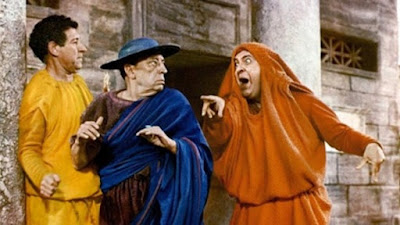
Now older and more appreciative of movie history I’ve grown into a connoisseur of a wider variety of film styles. I’m no longer appalled by the shenanigans of Pseudolus and Hero in their quests for freedom and love. Upon review, I’ve found myself relating to the slave Pseudolus. I’m not the liar and cheater like the movie character but I understand his motives. Playing matchmaker for Hero and Philia was his one opportunity to seize everything he ever wanted. He saw this as his one shot and was not going to miss his chance to blow because this opportunity comes once in a lifetime.
That makes sense to me.
Pseudolus was a slave to Hero’s parents and he wanted a new and better life. I’m also a slave to our modern world: a nine to five job, child support payments, a mortgage, grocery coupons, rebellious teenagers, and a limited budget. For nearly a dozen years I’ve felt like writing was the only available ticket to my new and better life. If my outlook was dismal, I would write my way out. I don’t have any star-crossed friends who want to be lovers in need of my help, but I did write a book. Sometimes it feels like my one shot, one opportunity. If I can’t turn my authorship into a career, there is no plan B. Like Eminem said, Success is my only mother(expletive) option.
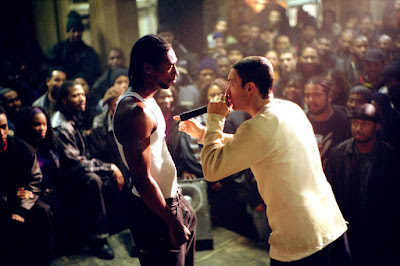
Like Pseudolus and his ill advised trip to the forum, a funny thing happened to me on the way to writing a novel. Several years ago, when blogging was still the next big thing, a friend of mine got a two book publishing contract with one of the big five. I was excited for her, along with our little blogging network. After the debut of her first novel, she started blogging less and eventually stopped updating her blog. It’s been over a decade since she’s posted anything on her blog. I understand why she did what she did so I’m not holding any grudges. At the same time, I swore I would not fall to the same fate when I wrote my first book. But here we are. Ever since I started working on “Kingdom of Odd,” my blogging output has dwindled.
Now is my time to hustle, edit and refine, and dive headfirst into the world of shameless self promotion. Keyboard fail me not this may be the only opportunity that I got.
More to read:
Me and that Eminem song
Why I write
My novel in process
The two boys hatch a plan. Pseudolus will help Hero get the girl of his dreams. In exchange, Hero will grant Pseudolus the freedom for which he yearns. The scheme is complicated and does not turn out the way they hoped. High jinks, and supposedly comedy ensue.
This is the gist of the 1966 movie, “A Funny Thing Happened on the Way to the Forum.” I was a kid the first time I watched it: junior high aged, perhaps younger. At the time, it was the weirdest film I had ever seen. My undeveloped brain struggled to follow the quick dialog and musical numbers. I failed to see the humor or purpose of the elements of slapstick and farce. I was unable to understand the satirical social commentary. I was soured by the 60s sounding score and the dated Romanesque costumes. “A Funny Thing Happened on the Way to the Forum” is not a kids movie and I was far too young to enjoy it.

courtesy of UA/MGM
That makes sense to me.
Pseudolus was a slave to Hero’s parents and he wanted a new and better life. I’m also a slave to our modern world: a nine to five job, child support payments, a mortgage, grocery coupons, rebellious teenagers, and a limited budget. For nearly a dozen years I’ve felt like writing was the only available ticket to my new and better life. If my outlook was dismal, I would write my way out. I don’t have any star-crossed friends who want to be lovers in need of my help, but I did write a book. Sometimes it feels like my one shot, one opportunity. If I can’t turn my authorship into a career, there is no plan B. Like Eminem said, Success is my only mother(expletive) option.

courtesy of Universal Pictures
Now is my time to hustle, edit and refine, and dive headfirst into the world of shameless self promotion. Keyboard fail me not this may be the only opportunity that I got.
More to read:
Me and that Eminem song
Why I write
My novel in process
3.30.2023
Good Will Through Older Eyes
In the fall of 1997, 18 year old me had this massive crush on a girl I met through church. She wasn’t one of the popular kids from our youth group, a trait we shared. She could have been if she wanted to but I think she didn’t want to be a part of that inner circle. An outsider by choice. We hung out a lot and she was flirtatious. She was one of the few girls at my church that didn’t treat me like I was a weirdo. Did I need a sign to know if she was into me? Maybe. The sign was lit up in neon lights with all arrows pointed at her. If I had asked her out on a date, she would have said yes.
If.
The question of our romance remains hypothetical. A really big if. Why? Because I never asked her out.
The reasons are many. I was young and stupid. Naive. I might have had the ego and invincible arrogance of any normal newly minted adult, but I also struggled with soul crushing insecurity - a malady that would grow into diagnosed depression and anxiety as I got older. While I was 99% sure she liked me and would be willing to date me, that 1% chance was holding me back. What if I was wrong? What if she wasn’t flirting? What if that’s just her personality? What if there was no meaning to her giggles and hair twirls while she stared at me? What if there was no emotion to the times she touched my arm or placed her hand on my back? Like a criminal trial, there was reasonable doubt. I couldn’t find her guilty of infatuation so I couldn’t sentence her to my adoration.
Like I said, I was young. And dumb.
My best friend, Jeff and I worked at a record store at the time. When the girl mentioned needing a job, I suggested she come work with us. She applied and with a good recommendation from me, she was hired. I was twitter-pated. Now I could see those eyes gazing into my deepest being six days a week instead on once a week. I could have longer conversations and feel her lingering touch more often than I had ever expected. We worked well together, occasionally took lunch breaks in tandem. I’d drop by when I wasn’t scheduled to see if she was still there; anything for a little extra time in her presence. Yet I still never asked her out. This awkward reciprocal flirting and unrequited romantic tension went on for months.
After work on Friday, December 5th, 1997, Jeff and I opened the store. He and I were the only two people employees for the first few hours of our shift. There weren’t many customers visiting that morning, so we had a lot of time to chat and goof off. When he and I talked our conversations were deeply philosophical, even if immature. Our topics usually fell into one of three topics: God, girls, and geekery. After all, we were straight dudes trying to figure out our places in this world. As for the nerd talk, Jeff was the dude who got me into comic books back in junior high. We bonded in high school drama club. We were both fans of horror and science fiction. After graduation, he and I were practically brothers, going to concerts, movies, and poker night together nearly every weekend.
That Friday, the girls topic narrowed down to one girl. The girl. The one I had been enamored with for most of the previous six months. He wanted to know why I still hadn’t asked her out. Even he could see she wanted me to ask her on a date.
I told him I couldn’t. He said I was an amateur. I told him she was beautiful, smart, fun, and different than any girl I’d ever known. He said he’d ask her out for me if I didn’t do it. I balked. I explained she was too perfect and I didn’t want to ruin what I had. He smacked the back of my head and said “Maybe you’re perfect right now” and suggested it was me I didn’t want to ruin.
How do I remember the exact day and date that conversation transpired? Because it’s the day the movie Good Will Hunting was released. After Jeff and I clocked out from work, we drove to the theater in Lynnwood and watched it. That was common for us, catching the movies we were most excited to see on opening night. We did it with everything from The Matrix to The Big Lebowski to The Mask of Zorro.
In the movie, Will (Matt Damon) told his therapist Sean (Robin Williams) about a recent date with a girl he liked. Sean asked if they were going on another date and Will said he didn’t know because he hadn’t called her back. Sean called Will an amateur.
Then Will said “Don’t worry about me. I know what I’m doin’. Yeah, but this girl was, like, you know, beautiful. She’s smart. She’s fun. She’s different from most of the girls I’ve been with.” Sean urged him to call the girl. Will continued, “Why? So I can realize she’s not that smart? That she’s fuckin’ boring? You know, I mean, you don’t. This girl’s, like, fuckin’ perfect right now. I don’t wanna ruin that.”
Sean replied, “Maybe you’re perfect right now. Maybe you don’t wanna ruin that. But I think that’s a super philosophy, Will. That way, you can go through your entire life without ever having to really know anybody.” In the darkeness of the theater, Jeff and I turned our heads to look at each other. His expression matched mine. Jaw slack and wide eyed. Our earlier interaction matched the movie nearly word for word, just with less swearing. It’s as if Matt Damon and Ben Affleck were time travelers and they eavesdropped on our future discussion when writing this scene. We walked out of that theater questioning ourselves. “Did that really happen? Did we recreate the movie before even seeing in it? Was our life imitating art? And how could we recreate art with no prior knowledge of the art we copied?
The movie also made me cry. Seeing Matt Damon break down into tears as he and Robin Williams’ embrace at the end of the film is enough to melt the coldest heart. Good Will Hunting impacted me in other ways. Lines like “How do you like them apples” and “Go with the wrench” and “It’s not your fault” have become permanent parts of my vocabulary. As an autistic person I’ve always used song lyrics, movie dialog, and literary quotes as substitutes for original communication as a way of masking my social awkwardness. It’s called scripting.
It shouldn’t need said, but Good Will Hunting remains one of my favorite movies of all time. I’ve lost count of how many times I’ve watched it.
My oldest son has been struggling lately as he is trying to figure out how to adult. After he got some discouraging news recently, I figured he and I needed a movie night. Something to help him feel better. A reminder that it’s not his fault. Naturally, I chose Good Will Hunting. He’s roughly the same age now as when I first saw the film: halfway between 18th and 19th birthdays. He is, like I was, going through transitions, trying to discover who he is and what he wants from life. Confident yet insecure. Opinionated yet confused.
Thankfully, he really liked the movie. I don’t think my ego would have survived if he said it was dumb. Then we talked for a bit. Thomas already knew about the girl and the saga of me never asking her out. I’ve told him the whole story before because it includes one of the few times I believe I audibly heard God speaking to me. When the movie was over, he asked me if I regretted not asking the girl out, much the same way Will asked Sean if he regretted meeting his wife. I told my son no. I have a lot of regrets, but not asking that girl on a date isn’t one of them. We talked about a couple other things and Thomas let me know he felt better after watching the movie. Mission accomplished.
Aside from getting my son’s impression on one of my cinematic favorites, I also had an unexpected observation about myself.
The first time I watched this movie, I identified so much with Will. Unlike him, I wasn’t abused or shuffled around different foster homes. I had parents who loved me. I was not as violent. I didn’t smoke, didn’t drink alcohol. But I was insecure and angry like Will Hunting. Both Will the character and Nic the kid were well above average intelligence failing to live up to our potentials. I saw him as a more delinquent version of me. Repeat viewings never changed the connection I felt to Matt Damon’s creation. But something different happened last night. For the first time, I related more to Robin Williams character. I felt more like the therapist Sean than the patient Will. It’s not 1997 anymore. I still need to improve myself. But I’m not the lost, insecure, and directionless kid I once was.
During the same counseling session where Will and Sean talked about Will’s date and the possibility of more, Sean said “You're not perfect. And let me save you the suspense, this girl you met isn't either. The question is, whether or not you're perfect for each other.” I feel this in my soul these days. Annie and I both know we’re not perfect people, but we are perfect for each other.
When Will challenges Sean, the therapist replied, “I teach this shit, I didn't say I knew how to do it.” If there was a line from Good Will Hunting that resembles who I am today, that would be it.
If.
The question of our romance remains hypothetical. A really big if. Why? Because I never asked her out.
The reasons are many. I was young and stupid. Naive. I might have had the ego and invincible arrogance of any normal newly minted adult, but I also struggled with soul crushing insecurity - a malady that would grow into diagnosed depression and anxiety as I got older. While I was 99% sure she liked me and would be willing to date me, that 1% chance was holding me back.

Like I said, I was young. And dumb.
My best friend, Jeff and I worked at a record store at the time. When the girl mentioned needing a job, I suggested she come work with us. She applied and with a good recommendation from me, she was hired. I was twitter-pated. Now I could see those eyes gazing into my deepest being six days a week instead on once a week. I could have longer conversations and feel her lingering touch more often than I had ever expected. We worked well together, occasionally took lunch breaks in tandem. I’d drop by when I wasn’t scheduled to see if she was still there; anything for a little extra time in her presence. Yet I still never asked her out. This awkward reciprocal flirting and unrequited romantic tension went on for months.
After work on Friday, December 5th, 1997, Jeff and I opened the store. He and I were the only two people employees for the first few hours of our shift. There weren’t many customers visiting that morning, so we had a lot of time to chat and goof off. When he and I talked our conversations were deeply philosophical, even if immature. Our topics usually fell into one of three topics: God, girls, and geekery. After all, we were straight dudes trying to figure out our places in this world. As for the nerd talk, Jeff was the dude who got me into comic books back in junior high. We bonded in high school drama club. We were both fans of horror and science fiction. After graduation, he and I were practically brothers, going to concerts, movies, and poker night together nearly every weekend.
That Friday, the girls topic narrowed down to one girl. The girl. The one I had been enamored with for most of the previous six months. He wanted to know why I still hadn’t asked her out. Even he could see she wanted me to ask her on a date.
I told him I couldn’t. He said I was an amateur. I told him she was beautiful, smart, fun, and different than any girl I’d ever known. He said he’d ask her out for me if I didn’t do it. I balked. I explained she was too perfect and I didn’t want to ruin what I had. He smacked the back of my head and said “Maybe you’re perfect right now” and suggested it was me I didn’t want to ruin.
How do I remember the exact day and date that conversation transpired? Because it’s the day the movie Good Will Hunting was released. After Jeff and I clocked out from work, we drove to the theater in Lynnwood and watched it. That was common for us, catching the movies we were most excited to see on opening night. We did it with everything from The Matrix to The Big Lebowski to The Mask of Zorro.
In the movie, Will (Matt Damon) told his therapist Sean (Robin Williams) about a recent date with a girl he liked. Sean asked if they were going on another date and Will said he didn’t know because he hadn’t called her back. Sean called Will an amateur.
Then Will said “Don’t worry about me. I know what I’m doin’. Yeah, but this girl was, like, you know, beautiful. She’s smart. She’s fun. She’s different from most of the girls I’ve been with.” Sean urged him to call the girl. Will continued, “Why? So I can realize she’s not that smart? That she’s fuckin’ boring? You know, I mean, you don’t. This girl’s, like, fuckin’ perfect right now. I don’t wanna ruin that.”
Sean replied, “Maybe you’re perfect right now. Maybe you don’t wanna ruin that. But I think that’s a super philosophy, Will. That way, you can go through your entire life without ever having to really know anybody.”

The movie also made me cry. Seeing Matt Damon break down into tears as he and Robin Williams’ embrace at the end of the film is enough to melt the coldest heart. Good Will Hunting impacted me in other ways. Lines like “How do you like them apples” and “Go with the wrench” and “It’s not your fault” have become permanent parts of my vocabulary. As an autistic person I’ve always used song lyrics, movie dialog, and literary quotes as substitutes for original communication as a way of masking my social awkwardness. It’s called scripting.
It shouldn’t need said, but Good Will Hunting remains one of my favorite movies of all time. I’ve lost count of how many times I’ve watched it.
My oldest son has been struggling lately as he is trying to figure out how to adult. After he got some discouraging news recently, I figured he and I needed a movie night. Something to help him feel better. A reminder that it’s not his fault. Naturally, I chose Good Will Hunting. He’s roughly the same age now as when I first saw the film: halfway between 18th and 19th birthdays. He is, like I was, going through transitions, trying to discover who he is and what he wants from life. Confident yet insecure. Opinionated yet confused.
Thankfully, he really liked the movie. I don’t think my ego would have survived if he said it was dumb. Then we talked for a bit. Thomas already knew about the girl and the saga of me never asking her out. I’ve told him the whole story before because it includes one of the few times I believe I audibly heard God speaking to me. When the movie was over, he asked me if I regretted not asking the girl out, much the same way Will asked Sean if he regretted meeting his wife. I told my son no. I have a lot of regrets, but not asking that girl on a date isn’t one of them. We talked about a couple other things and Thomas let me know he felt better after watching the movie. Mission accomplished.
Aside from getting my son’s impression on one of my cinematic favorites, I also had an unexpected observation about myself.
The first time I watched this movie, I identified so much with Will. Unlike him, I wasn’t abused or shuffled around different foster homes. I had parents who loved me. I was not as violent. I didn’t smoke, didn’t drink alcohol. But I was insecure and angry like Will Hunting. Both Will the character and Nic the kid were well above average intelligence failing to live up to our potentials. I saw him as a more delinquent version of me. Repeat viewings never changed the connection I felt to Matt Damon’s creation. But something different happened last night. For the first time, I related more to Robin Williams character. I felt more like the therapist Sean than the patient Will.
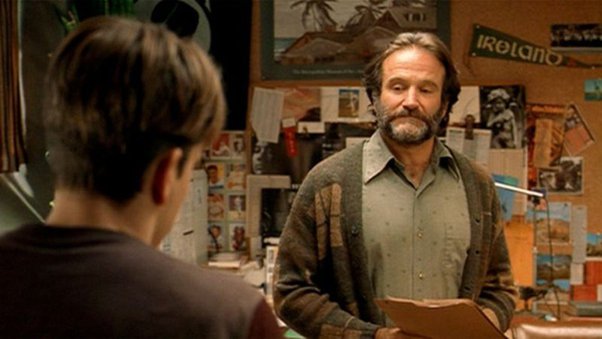
During the same counseling session where Will and Sean talked about Will’s date and the possibility of more, Sean said “You're not perfect. And let me save you the suspense, this girl you met isn't either. The question is, whether or not you're perfect for each other.” I feel this in my soul these days. Annie and I both know we’re not perfect people, but we are perfect for each other.
When Will challenges Sean, the therapist replied, “I teach this shit, I didn't say I knew how to do it.” If there was a line from Good Will Hunting that resembles who I am today, that would be it.
10.14.2021
Nietzsche & the Kool-Aid Man
whoever fights monsters

should see to it that in the process he (or she) does not become a monster

and if you gaze long enough into an abyss

the abyss

will gaze back into you

2.11.2020
Step One: Know Yourself
Five years ago, a social networking expert invited me to participate in her 365Awesome project - a series of blog posts about how to be awesome all year long. Below is my contribution. In the years since, she deactivated her blog and the post I wrote for her migrated into the void of 404 errors. Since my original post vanished from a website that no longer exists, I’m reclaiming it.
Step One: Know Yourself
When my phone receives a call from an unknown or blocked number, the default ring tone blares out a couple distorted power chords and a warbling synth riff, followed by a chorus familiar to anyone who watched CSI or listened to 70's era rock music. "Whooooo are you? Who Who? Who who? Who are you? ..." This gives me an automatic recognition that I don't know who is calling me. And I really want to know, who are you? Are you someone I want to talk to? Or should I let you go to voice mail?

Looking at the relationships in my life - family, friendships, colleagues - answering this question is essential. As a storyteller, I want to know who you are. I want to know your story. What excites you? What defines you? What makes you you?
Can you answer those questions? Who are you? One of the most fundamental elements to human existence is the desire to know and be known. Such knowledge is the foundation to intimacy. Who are you?
It is a simple query, yet complex enough to make it a challenging question to answer. It is easy to fall back on token answers, to rely on job titles or social status to define our identity. Or our hobbies, our finances, our romances. We tend to allow inconsequential tasks or labels determine who we think we are while our true selves are buried or forgotten.
That is the path I took. Afraid of criticism and ridicule, I stuffed my personality in a box and hid it in the attic of my mind to gather dust and cobwebs. The result was unpleasant. Not only was I chronically unhappy, I forgot how to experience true joy. The people that were most important to me suffered. Emotionally, spiritually, socially, I was a mess.
Thankfully, that was not a permanent affliction. I began to unpack my baggage and examine myself. Who am I? I sought to answer that question as thoroughly and honestly as possible. I didn't want to be miserable. I wanted to know myself. My desire was to discover someone awesome.
Along the way, I reclaimed my love for hiking and live music. I connected with an encouraging and vibrant community. I indulged in my geekiness. I took responsibility for my actions and choices.
I also learned a critical lesson. If you want to chase your dreams, if you want to be a leader, if you want to achieve your life goals, if you want to engage in any measure of personal growth or self-improvement, the question of your identity is one that must be answered. Who am I? Who are you? A complete answer to this question is the first step to bigger and greater things.
When you are interviewing for your dream job, launching an entrepreneurial venture, beginning a healthier lifestyle, or heading out for a first date. Knowing yourself makes the journey easier and more rewarding.
This is not a new concept. 18th century Scottish philosopher Adam Smith recognized this same truth. He said, "The first thing you have to know is yourself. A man who knows himself can step outside himself and watch his own reactions like an observer."
You need to know yourself first. Before anything else. This self examination gives you the ability to embrace the parts of you that you love and provides opportunity to fix the parts in need of repair. Your core identity grants you a baseline for self worth. It is the platform upon which you can accept healthy criticism or reject unwarranted discouragement.
To know your innermost self is power. Use it wisely. So, who are you?
Step One: Know Yourself
When my phone receives a call from an unknown or blocked number, the default ring tone blares out a couple distorted power chords and a warbling synth riff, followed by a chorus familiar to anyone who watched CSI or listened to 70's era rock music. "Whooooo are you? Who Who? Who who? Who are you? ..." This gives me an automatic recognition that I don't know who is calling me. And I really want to know, who are you? Are you someone I want to talk to? Or should I let you go to voice mail?

Looking at the relationships in my life - family, friendships, colleagues - answering this question is essential. As a storyteller, I want to know who you are. I want to know your story. What excites you? What defines you? What makes you you?
Can you answer those questions? Who are you? One of the most fundamental elements to human existence is the desire to know and be known. Such knowledge is the foundation to intimacy. Who are you?
It is a simple query, yet complex enough to make it a challenging question to answer. It is easy to fall back on token answers, to rely on job titles or social status to define our identity. Or our hobbies, our finances, our romances. We tend to allow inconsequential tasks or labels determine who we think we are while our true selves are buried or forgotten.
That is the path I took. Afraid of criticism and ridicule, I stuffed my personality in a box and hid it in the attic of my mind to gather dust and cobwebs. The result was unpleasant. Not only was I chronically unhappy, I forgot how to experience true joy. The people that were most important to me suffered. Emotionally, spiritually, socially, I was a mess.
Thankfully, that was not a permanent affliction. I began to unpack my baggage and examine myself. Who am I? I sought to answer that question as thoroughly and honestly as possible. I didn't want to be miserable. I wanted to know myself. My desire was to discover someone awesome.
Along the way, I reclaimed my love for hiking and live music. I connected with an encouraging and vibrant community. I indulged in my geekiness. I took responsibility for my actions and choices.
I also learned a critical lesson. If you want to chase your dreams, if you want to be a leader, if you want to achieve your life goals, if you want to engage in any measure of personal growth or self-improvement, the question of your identity is one that must be answered. Who am I? Who are you? A complete answer to this question is the first step to bigger and greater things.
When you are interviewing for your dream job, launching an entrepreneurial venture, beginning a healthier lifestyle, or heading out for a first date. Knowing yourself makes the journey easier and more rewarding.
This is not a new concept. 18th century Scottish philosopher Adam Smith recognized this same truth. He said, "The first thing you have to know is yourself. A man who knows himself can step outside himself and watch his own reactions like an observer."
You need to know yourself first. Before anything else. This self examination gives you the ability to embrace the parts of you that you love and provides opportunity to fix the parts in need of repair. Your core identity grants you a baseline for self worth. It is the platform upon which you can accept healthy criticism or reject unwarranted discouragement.
To know your innermost self is power. Use it wisely. So, who are you?
6.28.2018
Civility isn't Civil
In 1993, XL & Death Before Dishonor released a tragically underrated album - Sodom and America. Deep metal grooves with insightful and sometimes subversive hip-hop lyrics akin to Rage Against the Machine. One line from the song ‘Fatal Blow’ has stayed with me through the years: "I don't give none, but I demand respect." 1993 is also the year I endured the worst harassment at school. My experiences repeatedly proved XL's statement to be true. The biggest bullies on campus demanded everyone show them respect, often violently. Yet they refused to show others any level of respect.

Twenty-five years later, bullies haven’t changed, and ‘Fatal Blow’ sounds prophetic. Those who most often desire respect rarely treat others with courtesy. Those who virulently demand freedom of speech for their own beliefs or political stances tend to support suppression and censorship of other beliefs or political stances. Those who campaigned hardest for fiscal responsibility are also financially irresponsible. Those who most ardently expect transparency in others possess many secrets to hide. We have a President who values loyalty above all other qualities, yet he is loyal to no one except himself. And now those who act uncivilized are asking other people to act more civilly.
All because Sarah Huckabee-Sanders was politely asked to leave a restaurant. Suddenly, there's an outcry for civility. I don't want to discuss whether the Red Hen in Lexington made the correct decision. I don't care if doing so was or wasn't within their rights. My concern is with this concept of civility. Because I do not think it means what they think it means. Either that or civility isn't civil.
It's interesting how the people complaining loudest about a lack of civility were the same individuals who once wore t-shits with vulgar names to describe Hilary Clinton and joined the crowd shouting "LOCK HER UP." These are the people who cheered when Trump offered to pay the legal fees of any supporter who beat up a protester. When Trump bragged about sexually assaulting women, these people dismissed it as "locker room talk."
Now, according to these moral police, the Red Hen in Lexington needs a lesson in civility. So far, this is how these lessons have been presented:

Maybe this is you. Perhaps you're concerned about a senior member of Trump's team being asked to forfeit her accommodations because of who she is and where she works. It's possible you might be thinking this flap at Red Hen highlights how much the civility of public discourse has eroded. If that is you, if you're now asking our society to become more polite and civilized, allow me to ask you a few questions.
Where were your calls for civility when Trump mocked a disabled reporter?
Where were your calls for civility when Trump called NFL players sons of bitches?
Where were your calls for civility when multiple women came forward with credible allegations they had been sexually harassed or assaulted by Trump?
Where were your calls for civility every time Trump insulted a political opponent?
Where were your calls for civility when Trump said the press was the "enemy of the American people" or when Secretary Sanders accused the press of intentionally deceiving American citizens?
Where were your calls for civility when neo-Nazis and white nationalists started marching in the streets with tiki torches? Or when one of those racists ran over and killed a protester? Or when Trump said some of those white supremacists were very fine people?
Where were your calls for civility when Trump used the term "shit holes" to describe a group of mostly African nations?
Where were your calls for civility when Trump backed a senate candidate who was facing several accusations of inappropriate sexual conduct with girls as young as 14?
Where were your calls for civility when you found out Trump's lawyer paid off a porn star to silence her claims of an affair?
Where were your calls for civility when Sarah Sanders claimed it was biblical to separate children from their parents? Or when she refused to answer legitimate questions? Or when she shut down a reporter because she thought he only wanted more TV time?
Where were your calls for civility when Trump and Sanders both blamed the Democrats for creating a law that doesn't exist?
The list of offensive things Trump has said, done, or tweeted is longer than the Appalachian Trail. His propensity to lie is staggering. The second-place competitor for the most frequent liar is Sarah Huckabee-Sanders. Whatever they're doing is the opposite of civility.
We have a misunderstanding of what civility means. Judged on recent cries for decency, it seems the current request is for people to be nice. If being civil means being nice, we need some history lessons. The Civil War wasn't civil. The Civil Rights movement wasn't civil. Civil disobedience is never civil. While the text book definition of civility hints at formalities of politeness and courtesy, the word's origin stems from being a good citizen. When a government grows corrupt or tyrannical, when institutional treatment of at-risk populations becomes inhumane or unbearable, when those in power abandon the norms of decency and civility, the most civilized thing for a citizen is to raise a little hell.
Former President, Franklin D Roosevelt, once quoted a Bulgarian proverb, "It is permitted in time of grave danger to walk with the devil until you have crossed the bridge." While there are many who would disagree with me, I believe we are living in an era of grave danger and we have some bridges to cross. The recent calls for civility from Trump supporters is like terrorists asking us to build bridges while they set explosive changes on the support beams. Some men just want to watch the world burn, so if we are to get to the other side of this bridge, we may need to walk with the devil. Or, as Jack Nicholson said while playing the Joker, "Have you ever danced with the devil in the pale moonlight?" Well, I feel like dancing.
I will practice civility, but I won't be civil. If XL & DBD's song ‘Fatal Blow’ was prophetic, so was another tune from a completely different genre. A dozen years ago, Dixie Chicks released ‘Not Ready to Make Nice.’ What seemed so rebellious in 2006 is now an anthem in my summer playlist for 2018. Because, like the ladies from Dallas sang, I'm not ready to make nice or back down either. I'm mad as hell and don't have time to go round and round and round. I'll be civil, but I'm done playing nice.

You're concerned, I'm sure. You see my combative and defiant language here and suggestions about walking or dancing with the devil; you fear the worst. I can hear your voice asking, "But nic, what would Jesus do?" The Jesus I know told his disciples to be as shrewd as serpents and as innocent as doves. It's time to be a little shrewder. And if all else fails, flipping tables is still an option. So, you can take your hypocritical request for civility and shove it up somewhere uncivilized.

Twenty-five years later, bullies haven’t changed, and ‘Fatal Blow’ sounds prophetic. Those who most often desire respect rarely treat others with courtesy. Those who virulently demand freedom of speech for their own beliefs or political stances tend to support suppression and censorship of other beliefs or political stances. Those who campaigned hardest for fiscal responsibility are also financially irresponsible. Those who most ardently expect transparency in others possess many secrets to hide. We have a President who values loyalty above all other qualities, yet he is loyal to no one except himself. And now those who act uncivilized are asking other people to act more civilly.
All because Sarah Huckabee-Sanders was politely asked to leave a restaurant. Suddenly, there's an outcry for civility. I don't want to discuss whether the Red Hen in Lexington made the correct decision. I don't care if doing so was or wasn't within their rights. My concern is with this concept of civility. Because I do not think it means what they think it means. Either that or civility isn't civil.
It's interesting how the people complaining loudest about a lack of civility were the same individuals who once wore t-shits with vulgar names to describe Hilary Clinton and joined the crowd shouting "LOCK HER UP." These are the people who cheered when Trump offered to pay the legal fees of any supporter who beat up a protester. When Trump bragged about sexually assaulting women, these people dismissed it as "locker room talk."
Now, according to these moral police, the Red Hen in Lexington needs a lesson in civility. So far, this is how these lessons have been presented:
- By waving a confederate flag in front of Red Hen.
- Throwing piles of animal feces toward the Red Hen while shouting "Make America Great Again."
- Writing zero-star reviews on Yelp to lower their average score.
- Writing zero-star reviews on Yelp for other Red Hen restaurants, even though those other establishments are not affiliated with the location in Lexington.
- Sending death threats to the Red Hen both in Lexington and other locations.

photo courtesy of Washington Post
Where were your calls for civility when Trump mocked a disabled reporter?
Where were your calls for civility when Trump called NFL players sons of bitches?
Where were your calls for civility when multiple women came forward with credible allegations they had been sexually harassed or assaulted by Trump?
Where were your calls for civility every time Trump insulted a political opponent?
Where were your calls for civility when Trump said the press was the "enemy of the American people" or when Secretary Sanders accused the press of intentionally deceiving American citizens?
Where were your calls for civility when neo-Nazis and white nationalists started marching in the streets with tiki torches? Or when one of those racists ran over and killed a protester? Or when Trump said some of those white supremacists were very fine people?
Where were your calls for civility when Trump used the term "shit holes" to describe a group of mostly African nations?
Where were your calls for civility when Trump backed a senate candidate who was facing several accusations of inappropriate sexual conduct with girls as young as 14?
Where were your calls for civility when you found out Trump's lawyer paid off a porn star to silence her claims of an affair?
Where were your calls for civility when Sarah Sanders claimed it was biblical to separate children from their parents? Or when she refused to answer legitimate questions? Or when she shut down a reporter because she thought he only wanted more TV time?
Where were your calls for civility when Trump and Sanders both blamed the Democrats for creating a law that doesn't exist?
The list of offensive things Trump has said, done, or tweeted is longer than the Appalachian Trail. His propensity to lie is staggering. The second-place competitor for the most frequent liar is Sarah Huckabee-Sanders. Whatever they're doing is the opposite of civility.
We have a misunderstanding of what civility means. Judged on recent cries for decency, it seems the current request is for people to be nice. If being civil means being nice, we need some history lessons. The Civil War wasn't civil. The Civil Rights movement wasn't civil. Civil disobedience is never civil. While the text book definition of civility hints at formalities of politeness and courtesy, the word's origin stems from being a good citizen. When a government grows corrupt or tyrannical, when institutional treatment of at-risk populations becomes inhumane or unbearable, when those in power abandon the norms of decency and civility, the most civilized thing for a citizen is to raise a little hell.
Former President, Franklin D Roosevelt, once quoted a Bulgarian proverb, "It is permitted in time of grave danger to walk with the devil until you have crossed the bridge." While there are many who would disagree with me, I believe we are living in an era of grave danger and we have some bridges to cross. The recent calls for civility from Trump supporters is like terrorists asking us to build bridges while they set explosive changes on the support beams. Some men just want to watch the world burn, so if we are to get to the other side of this bridge, we may need to walk with the devil. Or, as Jack Nicholson said while playing the Joker, "Have you ever danced with the devil in the pale moonlight?" Well, I feel like dancing.
I will practice civility, but I won't be civil. If XL & DBD's song ‘Fatal Blow’ was prophetic, so was another tune from a completely different genre. A dozen years ago, Dixie Chicks released ‘Not Ready to Make Nice.’ What seemed so rebellious in 2006 is now an anthem in my summer playlist for 2018. Because, like the ladies from Dallas sang, I'm not ready to make nice or back down either. I'm mad as hell and don't have time to go round and round and round. I'll be civil, but I'm done playing nice.

You're concerned, I'm sure. You see my combative and defiant language here and suggestions about walking or dancing with the devil; you fear the worst. I can hear your voice asking, "But nic, what would Jesus do?" The Jesus I know told his disciples to be as shrewd as serpents and as innocent as doves. It's time to be a little shrewder. And if all else fails, flipping tables is still an option. So, you can take your hypocritical request for civility and shove it up somewhere uncivilized.
6.18.2018
It's Gonna Be Biblical
This is a strange time in America. Politicians are referencing scripture in press conferences. The Bible became a trending topic on Twitter. A comedian read it on TV to the response of cheers and applause. I'm a little conflicted. I should be excited - a theology nerd and religious geek. I believe a better understanding of Biblical texts is a good thing even if the reader isn't a Christian. Yet I also lament to see divinely inspired words twisted to support immoral and inhumane acts of a corrupt government. The best way to overcome the misuse of scripture is to geek out with scripture. Strap yourselves in because I'm gonna pull the whole thing down.

For years, migrants caught illegally crossing the border have been detained. With families, if parents are criminally charged there's a chance kids will be taken into foster or family care. Previously, border crossers would go into detention with their kids to await a hearing from a federal judge. If the judge sends them to prison, then the kids would be separated from their parents. However, many first timers were sentenced with time-served then deported with their children, family never separated. Recently, the Trump administration adopted a zero-tolerance policy to deter all immigration. Now separated at the border; parents are immediately referred for federal prosecution and kids are designated "unaccompanied alien children." Families are immediately split, parents often unsure about why their kids are being taken, where they're going, and how long they'll be separated. Due to the influx of immigrants seeking asylum, the number of kids in ORR custody is overwhelming and housed in overloaded ORR facilities where there have been hundreds of claims of physical and sexual abuse.
This is only a small sliver of actual events and the story is (or should be) concerning for every American. A human rights atrocity being committed by our government. This debacle has justifiably angered many citizens from both ends of the political spectrum. Want to know who isn't concerned? The people who enacted the new policy. President Trump is blaming it on the minority party (who does not control any branch of government) for not repealing a non-existent law. AG Jeff Sessions said, "Persons who violate the law of our nation are subject to prosecution. I would cite you to the Apostle Paul and his clear and wise command in Romans 13, to obey the laws of the government." Without giving any biblical evidence to support her claim, Press Secretary Sarah Sanders said, "It is very Biblical to enforce the law."
Jesus wept.
In response to the pair of blasphemous theological amateurs, let's look at the passage AG Sessions used to support treating children like chattel. Romans 13 instructs ordinary citizens to follow the law, urging readers to submit to authorities for fear of punishment and a clear conscience.
The letter Paul wrote to the church in Rome speaks often about the law. In chapter 7, Paul explained the law only has authority over those who are still living and we (as Christians) have died to the law. He said the law aroused sinful passions, so we've been released from the law to serve God instead of "the old way of the written code." Paul continues to explain the difference between the law of spirit (God's law) and the law of sin (human law). In chapter 8, human law is described as powerless because it was weakened by the flesh, hostile to God, and does not submit to God's law. Finally, in chapter 13, the same chapter Sessions referenced, Paul wrote "Whoever loves others has fulfilled the law ... Love does no harm to a neighbor. Therefore, love is the fulfillment of the law."
The government in power during Paul’s life should also be noted. It was vile and violent, controlled by an emperor who routinely jailed, tortured, and executed Christians. Like Paul, most of the Bible was written by oppressed people under foreign occupation. The authors were governed by tyrants from Egypt, Babylon, or Rome. Instruction in the Bible includes commands for people living under corrupt leaders. It was written for people abused by those in power – not for the abusive people in power. Romans 13 tells people to follow the law, but it does not instruct governments to enforce the law. If there is any biblical advice offered to leaders, it is this: "Woe to those who make unjust laws, to those who issue oppressive decrees, to deprive the poor of their rights and withhold justice from the oppressed of my people." Even Levitical law commanded the Jews to treat foreigners residing among them as native-born citizens.
While following the law is biblical, so is civil disobedience. The Bible recounts story after story of heroes who defied their governments. The mother of Moses and her midwives disobeyed an official decree to kill all newborn Hebrew boys. Moses murdered an Egyptian officer, repeatedly threatened the Pharaoh, and led a slave revolt. Rahab, the prostitute in Jericho sheltered Hebrew spies, hid them from government soldiers, and helped them escape arrest. Daniel, Shadrach, Meshach, and Abednego refused to eat the foods they were ordered to eat. When the law mandated them to bow down before a golden idol, Shadrach, Meshach, and Abednego did not comply. Daniel continued to pray after the law prohibited prayer. Esther kept her heritage secret from the king, violated his policy to advocate for her people, and plotted against the grand vizier. In the early days of the church, the apostles were arrested, and the courts mandated they stop talking about Jesus. Peter told the court "We must obey God rather than men." The apostles were severely beaten and ordered again to cease their ministry, but they never stopped preaching.
Even Jesus's ministry defied the law. He dined with hookers and con-artists. He touched lepers and other unclean people. He embraced Samaritans and other outsiders. He healed people on the Sabbath when it was against the law to work on that day. He refused to execute an adulteress in accordance with the law. He invited an insurrectionist to be a disciple. His followers violated tradition when they didn't wash their hands before eating. Jesus and the disciples were accused of stealing grain and being drunkards. The Romans found him to be contemptuous for calling himself the son of God because that was Caesar’s title. Jewish legal experts considered this claim to be blasphemous.
Sessions and Sanders can try all they want to use the Bible to justify evil. I'm not buying it. Hopefully, I'm not alone. Saint Augustine once wrote, "An unjust law is no law at all." If our government believes it is Biblical to enforce unjust laws, then I will stand in defiance of that government. I will follow the Committee on Religious Liberty who declared in 2015 "When a government enacts an unjust law, unjust because it violates the human dignity of the citizens or exceeds its authority, the citizens have a duty to disobey that law." I will abide by the multitude of biblical commands to love and care for orphans, widows, and foreigners. I will provide food and water to the hungry and thirsty, entertain strangers, clothe those who need it, relieve the sick, visit the prisoner, speak on behalf of those who have no voice, and advocate for the weak and powerless. I will love my enemy. I will love the unlovable. I will love the broken, the outcast, and the refugee. Because love is the fulfillment of the law.
Whatever it is that AG Sessions and Secretary Sanders is talking about, it isn't love. And it isn't biblical.


image courtesy of Overture Films
This is only a small sliver of actual events and the story is (or should be) concerning for every American. A human rights atrocity being committed by our government. This debacle has justifiably angered many citizens from both ends of the political spectrum. Want to know who isn't concerned? The people who enacted the new policy. President Trump is blaming it on the minority party (who does not control any branch of government) for not repealing a non-existent law. AG Jeff Sessions said, "Persons who violate the law of our nation are subject to prosecution. I would cite you to the Apostle Paul and his clear and wise command in Romans 13, to obey the laws of the government." Without giving any biblical evidence to support her claim, Press Secretary Sarah Sanders said, "It is very Biblical to enforce the law."
Jesus wept.
In response to the pair of blasphemous theological amateurs, let's look at the passage AG Sessions used to support treating children like chattel. Romans 13 instructs ordinary citizens to follow the law, urging readers to submit to authorities for fear of punishment and a clear conscience.
The letter Paul wrote to the church in Rome speaks often about the law. In chapter 7, Paul explained the law only has authority over those who are still living and we (as Christians) have died to the law. He said the law aroused sinful passions, so we've been released from the law to serve God instead of "the old way of the written code." Paul continues to explain the difference between the law of spirit (God's law) and the law of sin (human law). In chapter 8, human law is described as powerless because it was weakened by the flesh, hostile to God, and does not submit to God's law. Finally, in chapter 13, the same chapter Sessions referenced, Paul wrote "Whoever loves others has fulfilled the law ... Love does no harm to a neighbor. Therefore, love is the fulfillment of the law."
The government in power during Paul’s life should also be noted. It was vile and violent, controlled by an emperor who routinely jailed, tortured, and executed Christians. Like Paul, most of the Bible was written by oppressed people under foreign occupation. The authors were governed by tyrants from Egypt, Babylon, or Rome. Instruction in the Bible includes commands for people living under corrupt leaders. It was written for people abused by those in power – not for the abusive people in power. Romans 13 tells people to follow the law, but it does not instruct governments to enforce the law. If there is any biblical advice offered to leaders, it is this: "Woe to those who make unjust laws, to those who issue oppressive decrees, to deprive the poor of their rights and withhold justice from the oppressed of my people." Even Levitical law commanded the Jews to treat foreigners residing among them as native-born citizens.
While following the law is biblical, so is civil disobedience. The Bible recounts story after story of heroes who defied their governments. The mother of Moses and her midwives disobeyed an official decree to kill all newborn Hebrew boys. Moses murdered an Egyptian officer, repeatedly threatened the Pharaoh, and led a slave revolt. Rahab, the prostitute in Jericho sheltered Hebrew spies, hid them from government soldiers, and helped them escape arrest. Daniel, Shadrach, Meshach, and Abednego refused to eat the foods they were ordered to eat. When the law mandated them to bow down before a golden idol, Shadrach, Meshach, and Abednego did not comply. Daniel continued to pray after the law prohibited prayer. Esther kept her heritage secret from the king, violated his policy to advocate for her people, and plotted against the grand vizier. In the early days of the church, the apostles were arrested, and the courts mandated they stop talking about Jesus. Peter told the court "We must obey God rather than men." The apostles were severely beaten and ordered again to cease their ministry, but they never stopped preaching.
Even Jesus's ministry defied the law. He dined with hookers and con-artists. He touched lepers and other unclean people. He embraced Samaritans and other outsiders. He healed people on the Sabbath when it was against the law to work on that day. He refused to execute an adulteress in accordance with the law. He invited an insurrectionist to be a disciple. His followers violated tradition when they didn't wash their hands before eating. Jesus and the disciples were accused of stealing grain and being drunkards. The Romans found him to be contemptuous for calling himself the son of God because that was Caesar’s title. Jewish legal experts considered this claim to be blasphemous.
Sessions and Sanders can try all they want to use the Bible to justify evil. I'm not buying it. Hopefully, I'm not alone. Saint Augustine once wrote, "An unjust law is no law at all." If our government believes it is Biblical to enforce unjust laws, then I will stand in defiance of that government. I will follow the Committee on Religious Liberty who declared in 2015 "When a government enacts an unjust law, unjust because it violates the human dignity of the citizens or exceeds its authority, the citizens have a duty to disobey that law." I will abide by the multitude of biblical commands to love and care for orphans, widows, and foreigners. I will provide food and water to the hungry and thirsty, entertain strangers, clothe those who need it, relieve the sick, visit the prisoner, speak on behalf of those who have no voice, and advocate for the weak and powerless. I will love my enemy. I will love the unlovable. I will love the broken, the outcast, and the refugee. Because love is the fulfillment of the law.
Whatever it is that AG Sessions and Secretary Sanders is talking about, it isn't love. And it isn't biblical.

image courtesy of The Root
3.02.2017
Growing Old
The question caught me off guard: “Do you want to die young? Or grow old?” No small talk. No preparation. It was as if I had stepped into the middle of a deep philosophical conversation and was expected to keep pace with those who had been engaged in the discussion for hours without me. I felt like Donny in The Big Lebowski, butting in and it was a matter of time before Walter was going to tell me “You’re out of your element.”
The spotlight was on. The question was asked and all eyes were looking at me, awaiting an answer. I provided the quickest and most neutral answer I could think of: “Neither.” Although, I said it as a confused question, so it came out more like “Neeee-thurrrr?”
“Ah” came the reply. “So somewhere in the middle. Good choice.” Is it possible to accidentally win on a trivia game show? If so, I’d probably be that winner.
It is true though, I don’t want to die young. I want to live to see my kids graduate high school and college. I want to see them fall in love and get married. I want to meet my future grandkids. Growing old though is open for debate.
One of my biggest worries is that when I grow old, I’ll be one of those cantankerous old farts, standing on my porch yelling at those kids “Get off my dang lawn.” I don’t want to be that old dude but I fear it is inevitable. I’d rather be one of those adorably goofy old guys that everyone adores, the kind younger people look at and remark amongst themselves “he’s so cute.”
If I can age graciously, if I can become the latter of those two options, then I would welcome growing old with gleeful abandon. I would take the dance floor with my cane and fragile hips to show those youngins what they have to look forward to. I would tell stories of what life was like before iPods, Facebook, and Netflix. I would flirt with all the single female residents in my nursing home. If I can grow up to be that man? Bring it on.
However, that situation is unlikely. The elderly version of me will probably have more in common with Dennis the Menace’s curmudgeonly neighbor, Mr. Wilson. I fear my future self and other old geezers will be reenacting the feuds of the characters played by Jack Lemmon and Walter Matthau in Grumpy Old Men.
I don’t want to be that kind of old guy. I don’t want to spend the twilight of my life cranky, bitter, and pining for the good old days. If that is my fate, then I don’t want to grow old.

Maybe neither is the best answer. I don’t want to die young and I don’t want to grow old if I’m going to be the perpetual grouch. So somewhere in the middle. Please stop me before I become the man I don’t want to be.
Or maybe the best answer is to remain forever young. All I need to do is find the fountain of youth. Perhaps I could follow Woody Allen’s approach: “I don't want to achieve immortality through my work. I want to achieve it through not dying.”
The spotlight was on. The question was asked and all eyes were looking at me, awaiting an answer. I provided the quickest and most neutral answer I could think of: “Neither.” Although, I said it as a confused question, so it came out more like “Neeee-thurrrr?”
“Ah” came the reply. “So somewhere in the middle. Good choice.” Is it possible to accidentally win on a trivia game show? If so, I’d probably be that winner.
It is true though, I don’t want to die young. I want to live to see my kids graduate high school and college. I want to see them fall in love and get married. I want to meet my future grandkids. Growing old though is open for debate.
One of my biggest worries is that when I grow old, I’ll be one of those cantankerous old farts, standing on my porch yelling at those kids “Get off my dang lawn.” I don’t want to be that old dude but I fear it is inevitable. I’d rather be one of those adorably goofy old guys that everyone adores, the kind younger people look at and remark amongst themselves “he’s so cute.”
If I can age graciously, if I can become the latter of those two options, then I would welcome growing old with gleeful abandon. I would take the dance floor with my cane and fragile hips to show those youngins what they have to look forward to. I would tell stories of what life was like before iPods, Facebook, and Netflix. I would flirt with all the single female residents in my nursing home. If I can grow up to be that man? Bring it on.
However, that situation is unlikely. The elderly version of me will probably have more in common with Dennis the Menace’s curmudgeonly neighbor, Mr. Wilson. I fear my future self and other old geezers will be reenacting the feuds of the characters played by Jack Lemmon and Walter Matthau in Grumpy Old Men.
I don’t want to be that kind of old guy. I don’t want to spend the twilight of my life cranky, bitter, and pining for the good old days. If that is my fate, then I don’t want to grow old.

Maybe neither is the best answer. I don’t want to die young and I don’t want to grow old if I’m going to be the perpetual grouch. So somewhere in the middle. Please stop me before I become the man I don’t want to be.
Or maybe the best answer is to remain forever young. All I need to do is find the fountain of youth. Perhaps I could follow Woody Allen’s approach: “I don't want to achieve immortality through my work. I want to achieve it through not dying.”
1.16.2017
Bubbleworld
I have great respect for Mark Wahlberg. Although, I am not a huge fan of his acting career. He has roles in some films I thoroughly enjoyed like Three Kings and The Italian Job. However, it's been a few years since I have been excited to see one of his movies (2013's 2 Guns which was a disappointment) and since then it seems most of his work is either based on recent true events like Deep Water Horizon and Patriots Day or cash grabs like the Transformers sequels. Over all, his on-screen work doesn't impress me. But in his personal life, he seems like a decent guy. He's a devout catholic and a devoted dad who is teaching his kids that they're lucky. In an interview with USA Weekend, he said he wants his kids "to know that not everyone is as fortunate and how important it is to work hard and give back." Wahlberg is also active with charities benefiting youth and homeless women.
He might be a model citizen now, but he wasn't always a saint. His teen years were marred by drug use, violent crime, and gang activity. He harassed and assaulted minorities in racially motivated attacks and spent some time in jail after being charged with attempted murder.
With his wayward younger years behind him, Wahlberg is deeply religious and adamantly liberal. He was a supporter of Obama's reelection campaign in 2012, donated money to several candidates for the Democrat party, and has been vocal in his support of same-sex marriage. Last November, he was interviewed by Task & Purpose Magazine where he said that celebrities shouldn't talk about politics. In recent weeks (since Meryl Streep's speech at the Golden Globes), a quote from the Task & Purpose interview has been frequently shared through social media - predominantly (and ironically) by people who skew to the conservative end of the political spectrum.

There is a lot of irony here. A celebrity that is vocal about his political ideals claiming celebrities shouldn't talk about politics. A person who lives in a bubble accusing others in Hollywood of living in a bubble. An actor criticizing others for how they earn a paycheck even though his paycheck is earned in the same manner. The words of a die-hard liberal being passed around by conservative voters as if it was from the voice of God.
Yet I understand what Wahlberg was trying to say. The interviewer was asking him about the surprising results of Trump's election and Wahlberg's answer was an attempt to explain how so many of his peers don't understand the typical American. He was providing a rationale behind the grandest of ironies - how a populace tired of coastal elites who are out of touch with society voted for a coastal elite who is out of touch with society. Those who live in a bubble have a hard time understanding what life is like outside of the bubble.
The magazine interview contained more from Wahlberg that clarified his perspective. Because of his tough past, he understands what the real world is like for the common person. Thanks to his successful career, he also understands what life is like inside the bubble of Hollywood. He has lived life both inside and outside that bubble. Not everyone has had the same opportunity. Many of Hollywood's biggest stars were born into either fame or wealth. Many of them have been pursuing their dreams since they were kids or got their breakthrough as a child star. Their lives are contained within the 30ish square miles of Hollywood, Beverly Hills, and Malibu. The closest some of them have been to a Midwestern wheat field or a slum apartment was on a soundstage. For most people, it is easy to look at famous faces and see that they don't understand what it is like to be us.
Wahlberg has a valid point, but it brings up some other concerns. If we truly believe that celebrity opinions don't matter, then why should we give any credence to Wahlberg's opinion? Is this a case of confirmation bias? Do we only care about celebrity opinions when they align with our own? Not all celebrities were always celebrities, so at what point do their opinions cease to be important? Are their opinions less valid the day after they find fame than they were the day before? What makes my beliefs and experiences of any greater value than a professional athlete, musician, or movie star? What if famous people have just as much right to possess an opinion as the average citizen? What if you and I have the same rights to voice our opinions as celebrities?
I have met a few famous people. I've had conversations with authors, artists, film producers, comedians, and rock stars. In all those interactions, one thing was apparent: they are just as human as any other person walking the face of this planet. Like anyone else you encounter on a day to day basis they have hopes and aspirations; they have fears and pet peeves. They might eat at more expensive restaurants, live in bigger houses, and wear fancier clothing, but they are as capable of experiencing joy and sorrow as anyone. The biggest difference between them and me is the size of our platforms. If I share my thoughts, it will reach 100 people. They share their views and millions will hear. I am allowed to speak my mind. Freedom of speech demands celebrities be afforded the same liberty, even if I don't like what they have to say.
Most celebrities might not be able to understand what it is like to be me, a single father and part-time writer. Yet I don't understand what it is like to be them. I will never know what it is like to spend a thousand dollars on drinks at a swanky Los Angeles nightclub - my eyes double in size when I see that my mojito cost eight bucks. I'll never attend a party in the Hollywood Hills - my idea of a good time is a game of Quelf with a few close friends. I can't imagine what it would be like to pay hundreds of dollars in a boutique for a single pair of shoes - most of my wardrobe was purchased at a thrift shop. Hollywood A-listers might not be able to relate to me because they live in a bubble, but I can't relate to them because I live in a bubble too.
In fact, we all live in bubbles. Mine is suburban life; I have lived most of my days in the suburbs of Seattle, Boise, and Spokane. I wouldn't have a clue to what life is like for a celebrity, but I would not understand what life is like for a kid growing up in inner-city projects either. Or someone who has lived and worked on a ranch for their entire life. Or someone who lives in a community dependent on one or two factories on the brink of closure. Or in a mining town. Or a city along the Mexican border.
We all live in bubbles. Someone who has never left the five boroughs of New York City will only understand life inside their urban bubble. They wouldn't begin to understand what it is like for the kid who grew up in a cornfield outside Yankton South Dakota. And the kid from the farming bubble doesn't know what it is like to live and work in the resorts around Aspen Colorado. And the ski bubble resident doesn't know what it is like to rely on catching lobster along the coast of Maine. We all live in a bubble and the only way to understand what life is like in someone else's bubble is to get out of our bubble.
The best explanation I have heard to explain how Trump got elected is the belief that those in the bubble of Hollywood elites and liberal media are out of touch with the American heartland. So middle America voted for an absurdly wealthy man who lives in a literal gilded bubble.
Maybe Trump isn't the problem. Maybe he is the logical conclusion of issues that existed long before he ever announced his candidacy. Maybe the biggest dilemma is how we don't understand each other. All of our racism and xenophobia and hatred is a result of spending too much time in our own bubble. We came to believed our fear of others was justified. We fed our fears and created enemies out of people who are just as much American as we are.
I don't think Mark Wahlberg's quote from Task & Purpose was a condemnation of everyone in Hollywood. He was demonstrating how he's more uniquely aware of life outside of of fame. How? Because he grew up in the bubble of a rough neighborhood on the south side of Boston. He spent time in the bubble of prison. He sorted through his troubles in the bubble of a Catholic parish. And he has worked and thrived inside the bubble of Hollywood. Wahlberg understands both the life of luxury and what it is like to struggle. He knows because he left his bubble.
If we want to heal the divides in America, if we want to survive the next four years of Trump's presidency, if we want to elect better leaders, we should probably follow Wahlberg's example. We need to burst our bubbles. We need to spend some time outside of our little worlds. We need to get out of our comfort zone and experience other slices of American culture.
He might be a model citizen now, but he wasn't always a saint. His teen years were marred by drug use, violent crime, and gang activity. He harassed and assaulted minorities in racially motivated attacks and spent some time in jail after being charged with attempted murder.
With his wayward younger years behind him, Wahlberg is deeply religious and adamantly liberal. He was a supporter of Obama's reelection campaign in 2012, donated money to several candidates for the Democrat party, and has been vocal in his support of same-sex marriage. Last November, he was interviewed by Task & Purpose Magazine where he said that celebrities shouldn't talk about politics. In recent weeks (since Meryl Streep's speech at the Golden Globes), a quote from the Task & Purpose interview has been frequently shared through social media - predominantly (and ironically) by people who skew to the conservative end of the political spectrum.

There is a lot of irony here. A celebrity that is vocal about his political ideals claiming celebrities shouldn't talk about politics. A person who lives in a bubble accusing others in Hollywood of living in a bubble. An actor criticizing others for how they earn a paycheck even though his paycheck is earned in the same manner. The words of a die-hard liberal being passed around by conservative voters as if it was from the voice of God.
Yet I understand what Wahlberg was trying to say. The interviewer was asking him about the surprising results of Trump's election and Wahlberg's answer was an attempt to explain how so many of his peers don't understand the typical American. He was providing a rationale behind the grandest of ironies - how a populace tired of coastal elites who are out of touch with society voted for a coastal elite who is out of touch with society. Those who live in a bubble have a hard time understanding what life is like outside of the bubble.
The magazine interview contained more from Wahlberg that clarified his perspective. Because of his tough past, he understands what the real world is like for the common person. Thanks to his successful career, he also understands what life is like inside the bubble of Hollywood. He has lived life both inside and outside that bubble. Not everyone has had the same opportunity. Many of Hollywood's biggest stars were born into either fame or wealth. Many of them have been pursuing their dreams since they were kids or got their breakthrough as a child star. Their lives are contained within the 30ish square miles of Hollywood, Beverly Hills, and Malibu. The closest some of them have been to a Midwestern wheat field or a slum apartment was on a soundstage. For most people, it is easy to look at famous faces and see that they don't understand what it is like to be us.
Wahlberg has a valid point, but it brings up some other concerns. If we truly believe that celebrity opinions don't matter, then why should we give any credence to Wahlberg's opinion? Is this a case of confirmation bias? Do we only care about celebrity opinions when they align with our own? Not all celebrities were always celebrities, so at what point do their opinions cease to be important? Are their opinions less valid the day after they find fame than they were the day before? What makes my beliefs and experiences of any greater value than a professional athlete, musician, or movie star? What if famous people have just as much right to possess an opinion as the average citizen? What if you and I have the same rights to voice our opinions as celebrities?
I have met a few famous people. I've had conversations with authors, artists, film producers, comedians, and rock stars. In all those interactions, one thing was apparent: they are just as human as any other person walking the face of this planet. Like anyone else you encounter on a day to day basis they have hopes and aspirations; they have fears and pet peeves. They might eat at more expensive restaurants, live in bigger houses, and wear fancier clothing, but they are as capable of experiencing joy and sorrow as anyone. The biggest difference between them and me is the size of our platforms. If I share my thoughts, it will reach 100 people. They share their views and millions will hear. I am allowed to speak my mind. Freedom of speech demands celebrities be afforded the same liberty, even if I don't like what they have to say.
Most celebrities might not be able to understand what it is like to be me, a single father and part-time writer. Yet I don't understand what it is like to be them. I will never know what it is like to spend a thousand dollars on drinks at a swanky Los Angeles nightclub - my eyes double in size when I see that my mojito cost eight bucks. I'll never attend a party in the Hollywood Hills - my idea of a good time is a game of Quelf with a few close friends. I can't imagine what it would be like to pay hundreds of dollars in a boutique for a single pair of shoes - most of my wardrobe was purchased at a thrift shop. Hollywood A-listers might not be able to relate to me because they live in a bubble, but I can't relate to them because I live in a bubble too.
In fact, we all live in bubbles. Mine is suburban life; I have lived most of my days in the suburbs of Seattle, Boise, and Spokane. I wouldn't have a clue to what life is like for a celebrity, but I would not understand what life is like for a kid growing up in inner-city projects either. Or someone who has lived and worked on a ranch for their entire life. Or someone who lives in a community dependent on one or two factories on the brink of closure. Or in a mining town. Or a city along the Mexican border.
We all live in bubbles. Someone who has never left the five boroughs of New York City will only understand life inside their urban bubble. They wouldn't begin to understand what it is like for the kid who grew up in a cornfield outside Yankton South Dakota. And the kid from the farming bubble doesn't know what it is like to live and work in the resorts around Aspen Colorado. And the ski bubble resident doesn't know what it is like to rely on catching lobster along the coast of Maine. We all live in a bubble and the only way to understand what life is like in someone else's bubble is to get out of our bubble.
The best explanation I have heard to explain how Trump got elected is the belief that those in the bubble of Hollywood elites and liberal media are out of touch with the American heartland. So middle America voted for an absurdly wealthy man who lives in a literal gilded bubble.
Maybe Trump isn't the problem. Maybe he is the logical conclusion of issues that existed long before he ever announced his candidacy. Maybe the biggest dilemma is how we don't understand each other. All of our racism and xenophobia and hatred is a result of spending too much time in our own bubble. We came to believed our fear of others was justified. We fed our fears and created enemies out of people who are just as much American as we are.
I don't think Mark Wahlberg's quote from Task & Purpose was a condemnation of everyone in Hollywood. He was demonstrating how he's more uniquely aware of life outside of of fame. How? Because he grew up in the bubble of a rough neighborhood on the south side of Boston. He spent time in the bubble of prison. He sorted through his troubles in the bubble of a Catholic parish. And he has worked and thrived inside the bubble of Hollywood. Wahlberg understands both the life of luxury and what it is like to struggle. He knows because he left his bubble.
If we want to heal the divides in America, if we want to survive the next four years of Trump's presidency, if we want to elect better leaders, we should probably follow Wahlberg's example. We need to burst our bubbles. We need to spend some time outside of our little worlds. We need to get out of our comfort zone and experience other slices of American culture.
Subscribe to:
Posts (Atom)